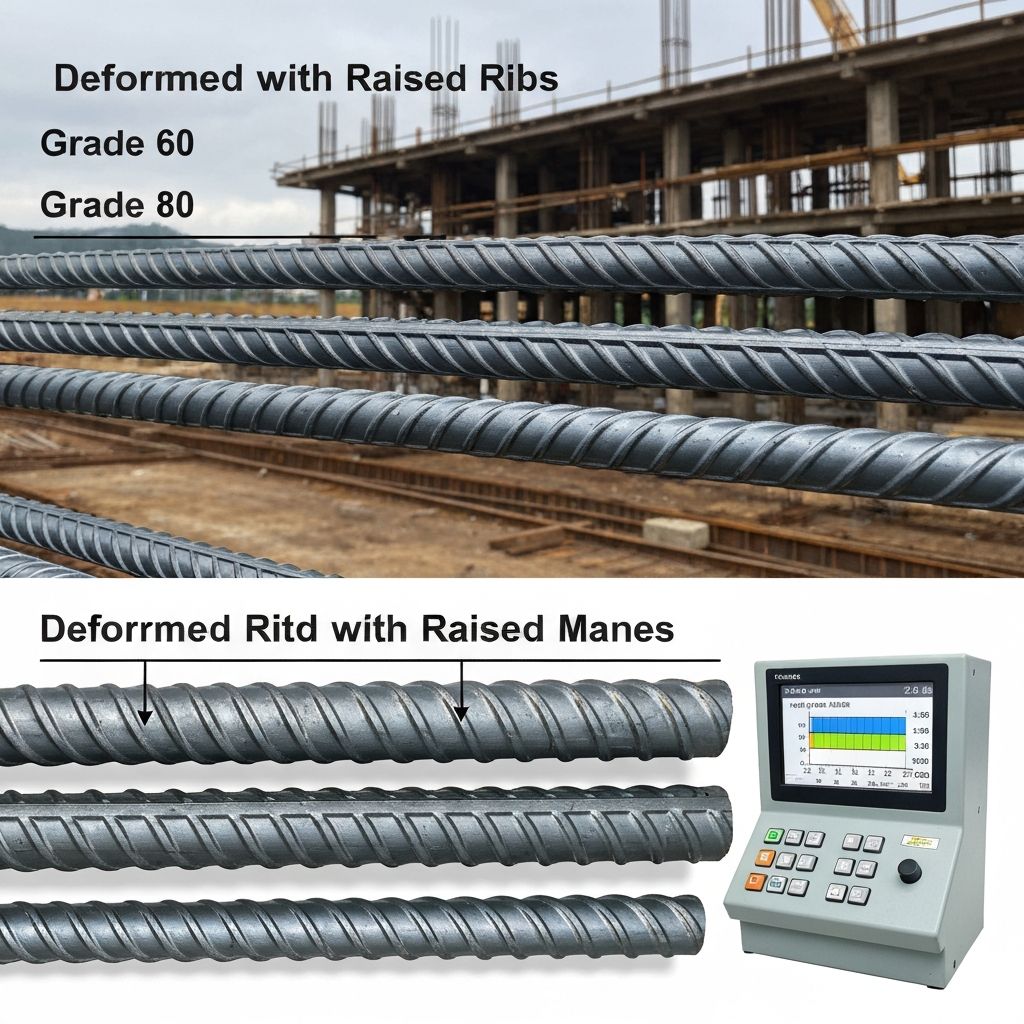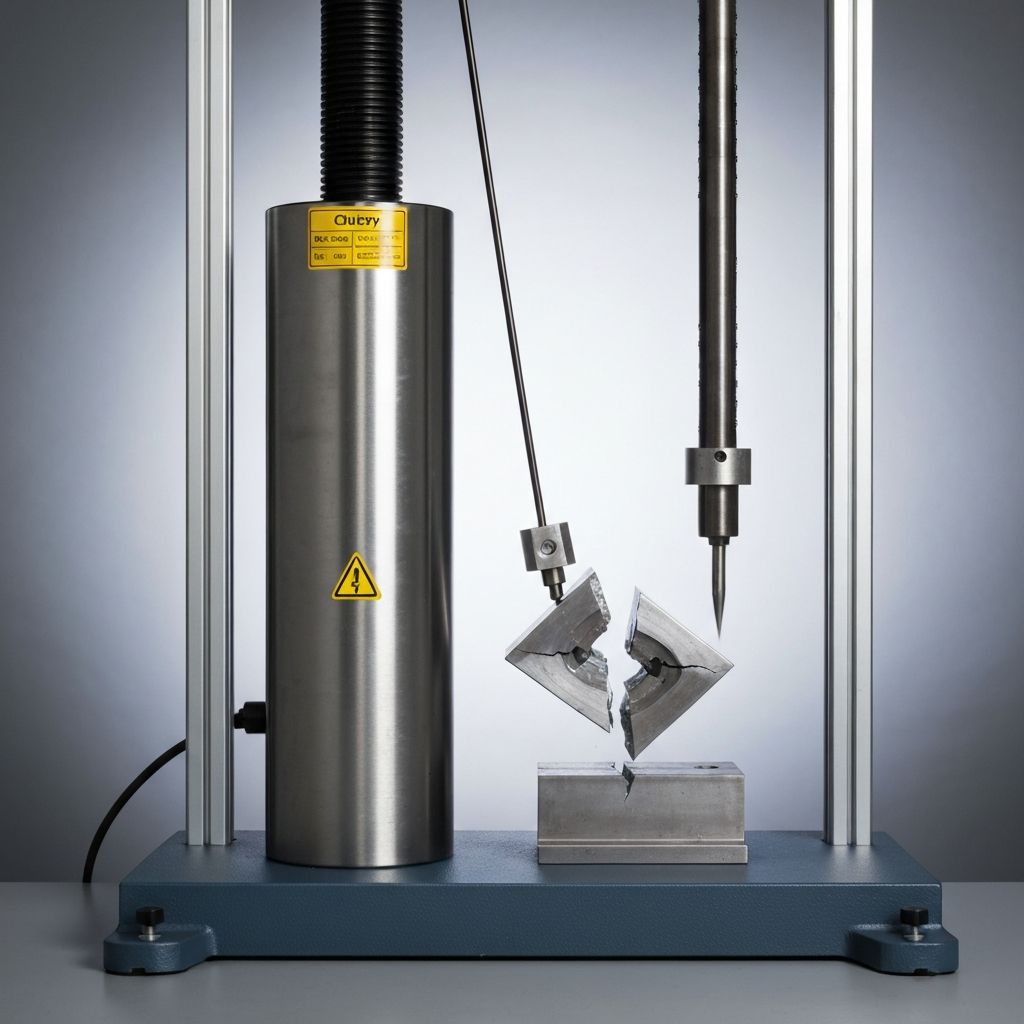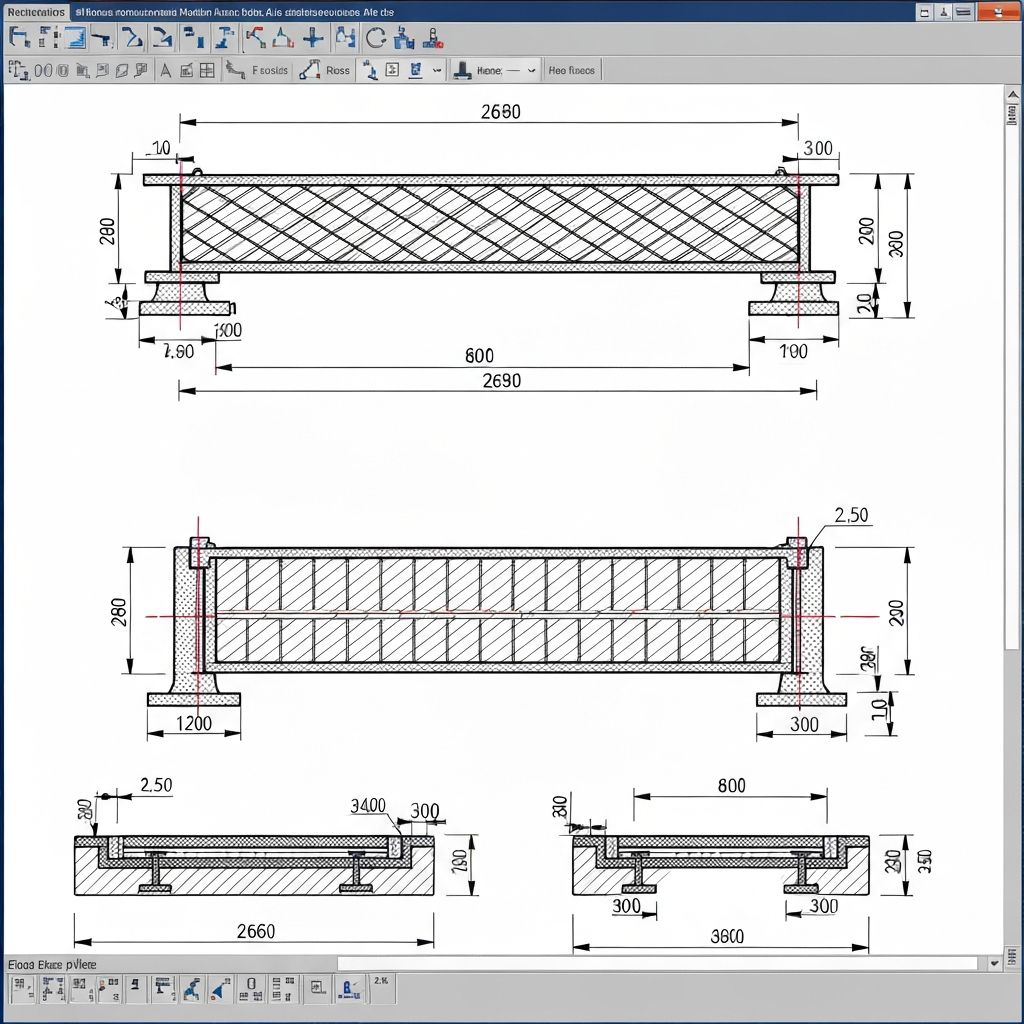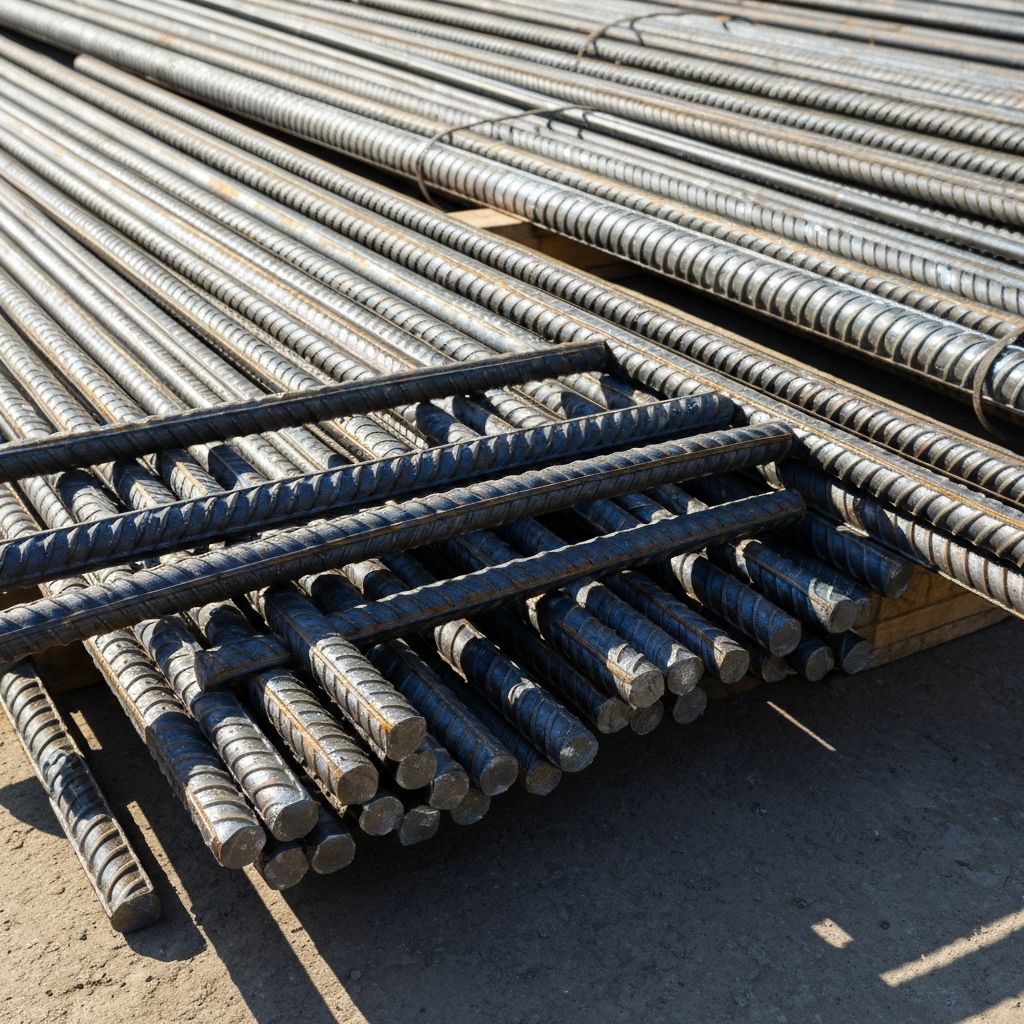
Reinforcement steel is the backbone of reinforced concrete structures. The selection of appropriate steel grade significantly affects structural performance, cost, constructability, and durability. European standards define four primary reinforcement steel grades: B500 A (low ductility), B500 B (standard ductility), B500 C (high ductility), and B500SP (special purpose for seismic design). Understanding the properties, applications, and performance characteristics of each grade enables engineers to optimize structural design while ensuring compliance with seismic requirements, ductility demands, and construction practicality. This article provides a detailed comparison of reinforcement steel grades used in European construction according to EN 1992 (Eurocode 2) and EN 10080 (Steel for the reinforcement of concrete).
Overview of Reinforcement Steel Standards
European reinforcement steel is standardized under EN 10080 and designed for use in reinforced concrete as covered by EN 1992 (Eurocode 2). All grades meet a minimum yield strength of 500 N/mm² (hence B500 designation). The critical differences between grades involve ductility, strain-hardening characteristics, weldability, and fabrication behavior. These differences determine suitability for specific structural applications ranging from simple beams and columns to complex seismic-resistant structures.
- B500 A: Low ductility grade (εuk ≥ 5.0%), limited strain-hardening, most economical
- B500 B: Standard ductility grade (εuk ≥ 7.5%), moderate strain-hardening, most common
- B500 C: High ductility grade (εuk ≥ 7.5% with higher strain-hardening), seismic applications
- B500SP: Special purpose grade with enhanced properties for seismic design
- All grades: Yield strength 500 N/mm², tensile strength ratio k ≥ 1.05-1.15 depending on grade
B500 A: Low Ductility Grade
B500 A is the most economical reinforcement steel grade, offering yield strength of 500 N/mm² with lower ductility (εuk ≥ 5.0%). The strain-hardening coefficient (k) is ≥ 1.05, meaning tensile strength exceeds yield strength by minimum 5%. This grade provides adequate strength for most non-seismic applications but offers limited capacity for plastic deformation. B500 A is particularly suitable for simple structures with low ductility demands and is commonly used in residential buildings in low-seismic regions, warehouse structures, and non-critical infrastructure. The lower material cost and straightforward fabrication make B500 A economically attractive for projects where seismic requirements are minimal.
- Yield strength: 500 N/mm²; Tensile strength minimum: 525 N/mm²
- Ductility: εuk ≥ 5.0% (lowest among standard grades)
- Strain-hardening coefficient k: ≥ 1.05
- Bending properties: Limited; minimum bending diameter typically 4d (where d is bar diameter)
- Weldability: Moderate; welding procedures must be carefully controlled
- Cost: Most economical option; 10-15% cheaper than B500 B
- Applications: Low-seismic regions, simple building structures, industrial buildings
B500 B: Standard Ductility Grade
B500 B is the most commonly specified reinforcement steel grade in European construction, offering an optimal balance between cost, performance, and constructability. Yield strength is 500 N/mm² with higher ductility (εuk ≥ 7.5%) compared to B500 A. The strain-hardening coefficient k is ≥ 1.08, ensuring tensile strength reaches minimum 540 N/mm². This grade provides adequate plastic deformation capacity for earthquake-resistant design in moderate-seismic regions and superior bending characteristics for complex detailing. B500 B is specified by default in most European building codes when seismic classifications are moderate or when detailed reinforcement arrangements (tight bends, laps) are required.
- Yield strength: 500 N/mm²; Tensile strength minimum: 540 N/mm²
- Ductility: εuk ≥ 7.5% (standard, most common)
- Strain-hardening coefficient k: ≥ 1.08
- Bending properties: Good; minimum bending diameter typically 4d
- Weldability: Good; standard welding procedures generally applicable
- Cost: Baseline economic reference; standard market pricing
- Applications: Most building structures, moderate-seismic regions, complex detailing
B500 C: High Ductility Grade
B500 C is specified for structures requiring enhanced plastic deformation capacity, particularly in high-seismic regions and critical infrastructure. Yield strength remains 500 N/mm², but ductility requirement is identical to B500 B (εuk ≥ 7.5%). However, B500 C mandates higher strain-hardening with coefficient k ≥ 1.15, ensuring tensile strength reaches minimum 575 N/mm². The higher strain-hardening and improved controlled-yield behavior provide superior energy absorption during seismic events. B500 C also offers enhanced bending properties, allowing tighter bends and facilitating complex detailing required in seismic design.
- Yield strength: 500 N/mm²; Tensile strength minimum: 575 N/mm²
- Ductility: εuk ≥ 7.5% (same as B500 B, achieved through controlled processing)
- Strain-hardening coefficient k: ≥ 1.15 (higher than B500 B)
- Bending properties: Excellent; minimum bending diameter typically 4d with superior repeatability
- Weldability: Excellent; controlled yield ensures predictable welding behavior
- Cost: 5-10% more expensive than B500 B; offset by construction efficiency
- Applications: Seismic design (high-seismic regions), critical infrastructure, tall buildings, bridges
B500SP: Special Purpose Grade for Seismic Design
B500SP is specifically developed for demanding seismic applications where maximum plastic deformation capacity, controlled buckling behavior, and fatigue resistance are essential. Beyond standard ductility (εuk ≥ 7.5%), B500SP includes additional requirements: controlled yield-to-tensile ratio (1.15 ≤ k ≤ 1.35 for optimal seismic performance), low strain-rate sensitivity, and enhanced fatigue properties. The controlled strain-hardening prevents excessive stress concentration and premature failure under cyclic loading. B500SP is specified in high-seismic regions (seismic acceleration zones above 0.25g) for critical structures including hospitals, emergency centers, and important infrastructure that must maintain functionality after seismic events.
- Yield strength: 500 N/mm²; Tensile strength ratio: 1.15 ≤ k ≤ 1.35 (controlled range)
- Ductility: εuk ≥ 7.5% (high, with enhanced low-cycle fatigue resistance)
- Controlled yield-to-tensile ratio: Prevents over-hardening while ensuring ductility
- Cyclic loading performance: Superior fatigue resistance under repeated seismic cycles
- Bending properties: Excellent; accommodates tight bends without fracture
- Weldability: Excellent; controlled carbon equivalent ensures predictable welding
- Cost: 15-25% premium over B500 B; justified by superior seismic performance
- Applications: High-seismic zones, critical infrastructure, hospitals, emergency centers, bridges
Comparative Properties and Selection Criteria
Selecting the appropriate reinforcement grade depends on structural location, seismic classification, ductility demands, and project location. Non-seismic regions with low ductility demands can economically use B500 A. Most European building codes default to B500 B for standard applications in moderate-seismic regions. High-seismic regions (typically classified as higher than medium per Eurocode 8) require B500 C or B500SP. Critical infrastructure and structures requiring exceptional seismic resilience mandate B500SP. Cost differential between grades is modest (typically 5-25%), making grade selection primarily a performance and compliance issue rather than economic constraint.
- Low-seismic, non-critical structures: B500 A (most economical, adequate performance)
- Moderate-seismic regions, standard buildings: B500 B (balance of cost and performance)
- High-seismic regions, important structures: B500 C (enhanced ductility)
- Very-high-seismic zones, critical infrastructure: B500SP (maximum seismic performance)
- Complex detailing, tight bends: B500 B or higher (ductility enables feasibility)
- Seismic-resistant structures: Minimum B500 C per Eurocode 8; B500SP preferred for critical facilities
Weldability and Fabrication Considerations
Weldability varies among reinforcement grades, affecting splicing and connection methods. B500 A has moderate weldability requiring careful procedure control. B500 B offers good weldability suitable for standard welded connections. B500 C and B500SP provide excellent weldability with enhanced carbon equivalent control enabling reliable welding at site. Mechanical splicing (lapping, coupler connections) is always viable regardless of grade. Thermal stress-relief after welding is generally unnecessary for reinforcement grades, but cooling control is important. In seismic design, welded connections in B500 C and B500SP provide superior performance compared to lapped connections due to continuous load path.
Bending and Detailing Requirements
Minimum bending diameters increase with bar diameter to prevent fracture during bending. For all B500 grades, minimum bending diameter during fabrication is typically 4d (where d is bar diameter). However, B500 A has stricter limitations on repeated bending. B500 B, C, and SP allow repeated bending and complex shapes without risk of fracture. Rebar couplers, mechanical connections, and threaded connections are independent of steel grade and provide reliable splicing when welding is impractical. For seismic design requiring tight spacing or complex reinforcement patterns, B500 C or B500SP ductility is essential to accommodate required bending without fracture.
Standards and Compliance
Reinforcement steel grades are defined by EN 10080 (Steel for the reinforcement of concrete - Weldable reinforced steel - General). Structural design using reinforcement is covered by EN 1992-1-1 (Eurocode 2: Design of concrete structures - General rules). Seismic design requirements including reinforcement grade specifications are in EN 1998-1 (Eurocode 8: Seismic design). Material testing and certification follow EN 10080 with mill certificates providing yield strength, tensile strength, ductility (εuk), and strain-hardening coefficient (k). All reinforcement must carry CE marking confirming compliance with EN 10080.
Cost and Economic Optimization
Material cost differences between grades are modest but cumulative on large projects. B500 A typically costs 10-15% less than B500 B. B500 C costs 5-10% more than B500 B. B500SP costs 15-25% more than B500 B. For a typical building requiring 80-100 kg/m³ of reinforcement steel, the grade cost differential is approximately €8-25/m³ of concrete. Over a 5,000 m³ concrete building, the grade premium for B500 C versus B500 B is roughly €25,000-50,000. This modest premium is justified when seismic design requires enhanced ductility. Over-specifying (using B500SP where B500 B suffices) wastes resources; under-specifying (using B500 A where B500 C is required) creates structural non-compliance.
Conclusion
Reinforcement steel grade selection is a critical structural design decision balancing performance, compliance, constructability, and cost. B500 B remains the most economical standard choice for moderate seismic regions. B500 C or B500SP is mandated for high-seismic zones and critical infrastructure. VSG's structural engineering expertise includes reinforcement design optimization, seismic compliance verification, and specification development across European construction standards. We deliver designs that select appropriate materials while maintaining structural efficiency and cost-effectiveness. Contact VSG to discuss reinforcement specification and structural optimization for your project.
Related Testing Services
- Tensile Strength Testing
- Ductility Testing (Elongation)
- Bending Test
- Chemical Analysis
- Fatigue Testing
- Welding Procedure Qualification
Applicable Standards
Professional Engineering Support
This testing and verification work is part of comprehensive construction management and quality assurance services provided by our architectural and engineering consulting team. We support project management, quality control, and commissioning across military, nuclear, infrastructure, and commercial sectors.
Request Engineering Services