Alkali-Silica Reaction (ASR) is a chemical reaction between reactive silica in aggregates and alkalis in cement, producing an expansive gel that causes concrete cracking and deterioration. ASR is one of the most serious durability problems affecting concrete structures worldwide. Testing identifies potentially reactive aggregates and evaluates mitigation measures like low-alkali cement or supplementary cementitious materials before construction begins.
Understanding Alkali-Silica Reaction
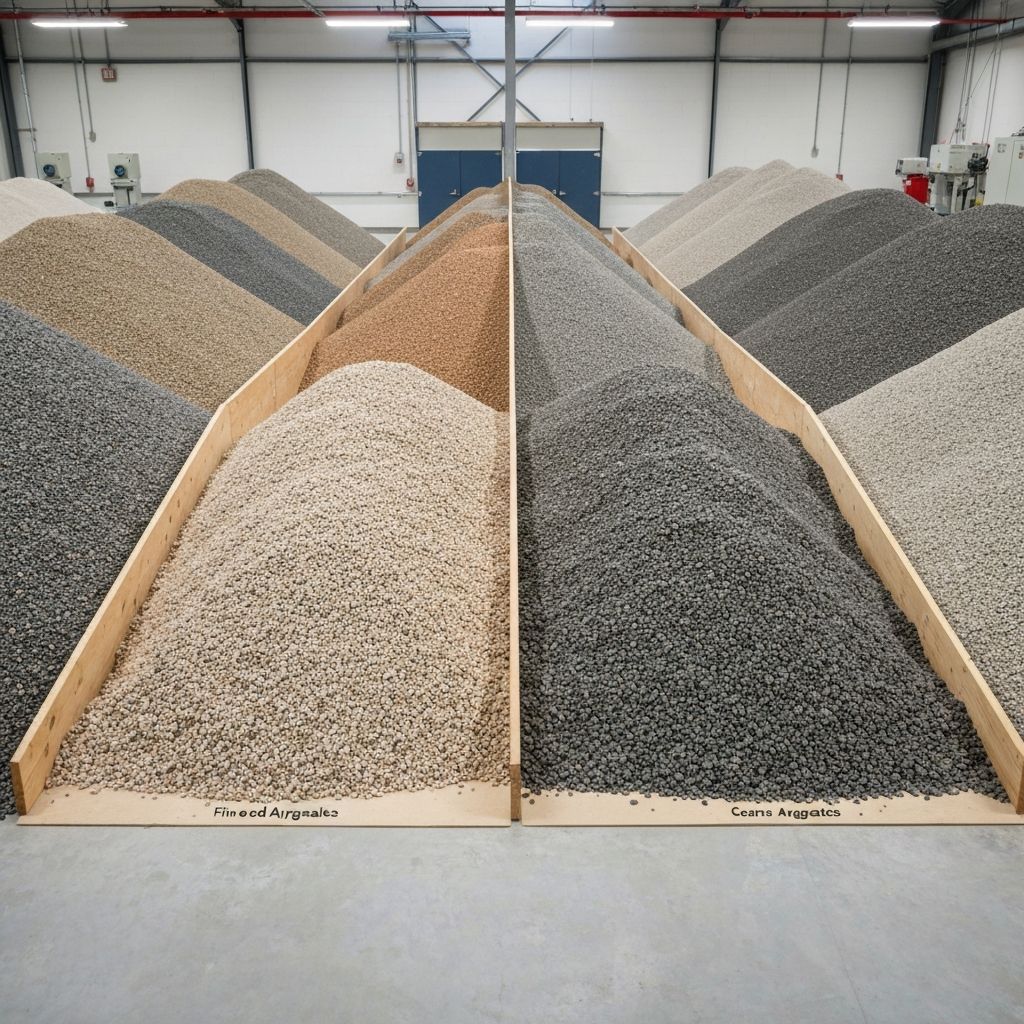
ASR requires three conditions: reactive silica minerals in aggregate (opal, chalcedony, strained quartz, volcanic glass), sufficient alkalis (sodium and potassium) from cement or external sources, and moisture. The reaction produces a hygroscopic gel that swells with water absorption, generating internal pressures up to 10 MPa. This causes characteristic map cracking, expansion, and can severely damage or destroy concrete structures over 5-20 years. Prevention through proper aggregate testing is far more cost-effective than repair or replacement of ASR-damaged structures.
Accelerated Mortar Bar Test (AMBT) - ASTM C1260
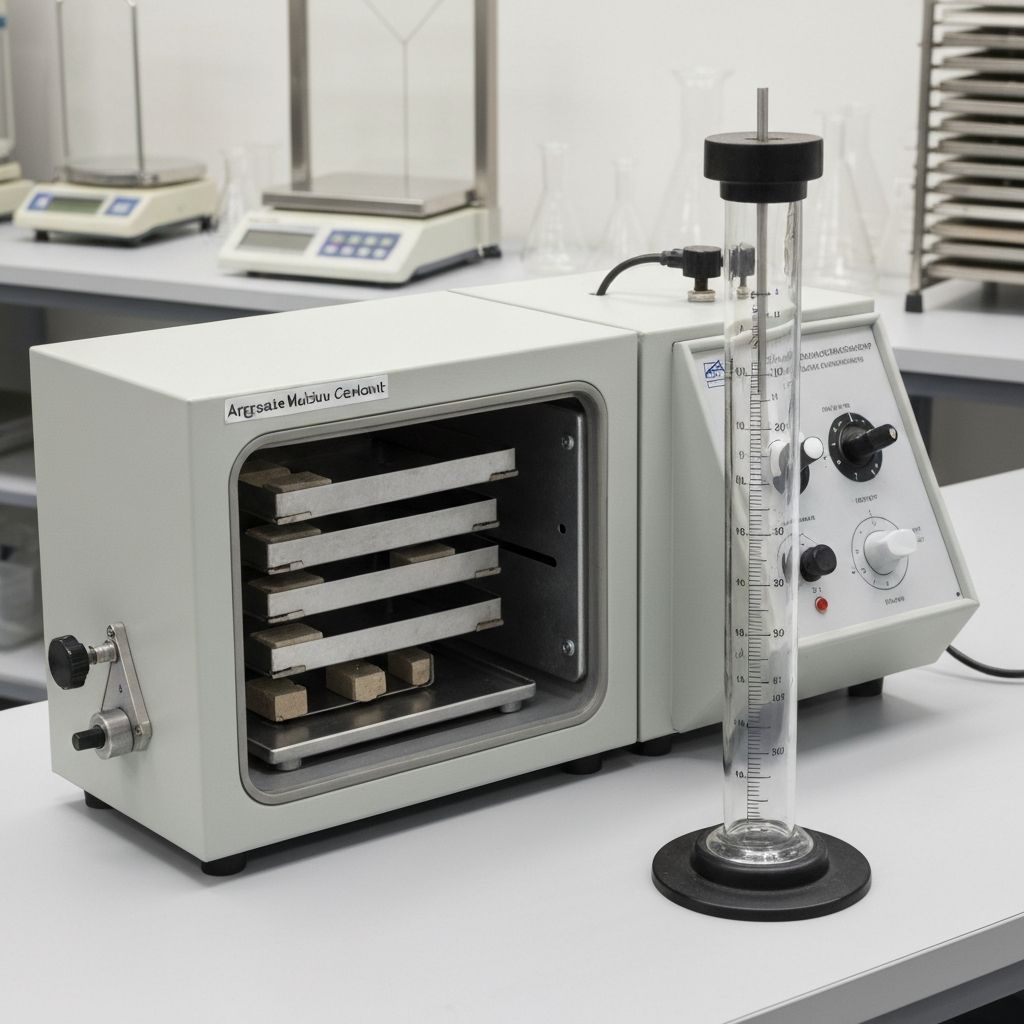
The AMBT (ASTM C1260) is a rapid screening test taking 14-28 days. Mortar bars containing the test aggregate are stored in 1N sodium hydroxide solution at 80°C, accelerating ASR. Length change is measured daily. Expansion >0.10% at 14 days indicates potentially reactive aggregate. The test is conservative (may show false positives) but provides quick results for preliminary evaluation.
- Specimen size: 25x25x285mm mortar bars
- Aggregate preparation: Crushed and graded 150μm to 4.75mm
- Storage: 80°C in 1N NaOH solution
- Measurement: Daily length change readings
- Criteria: <0.10% at 14 days (innocuous), 0.10-0.20% (potentially reactive), >0.20% (reactive)
Concrete Prism Test (CPT) - ASTM C1293
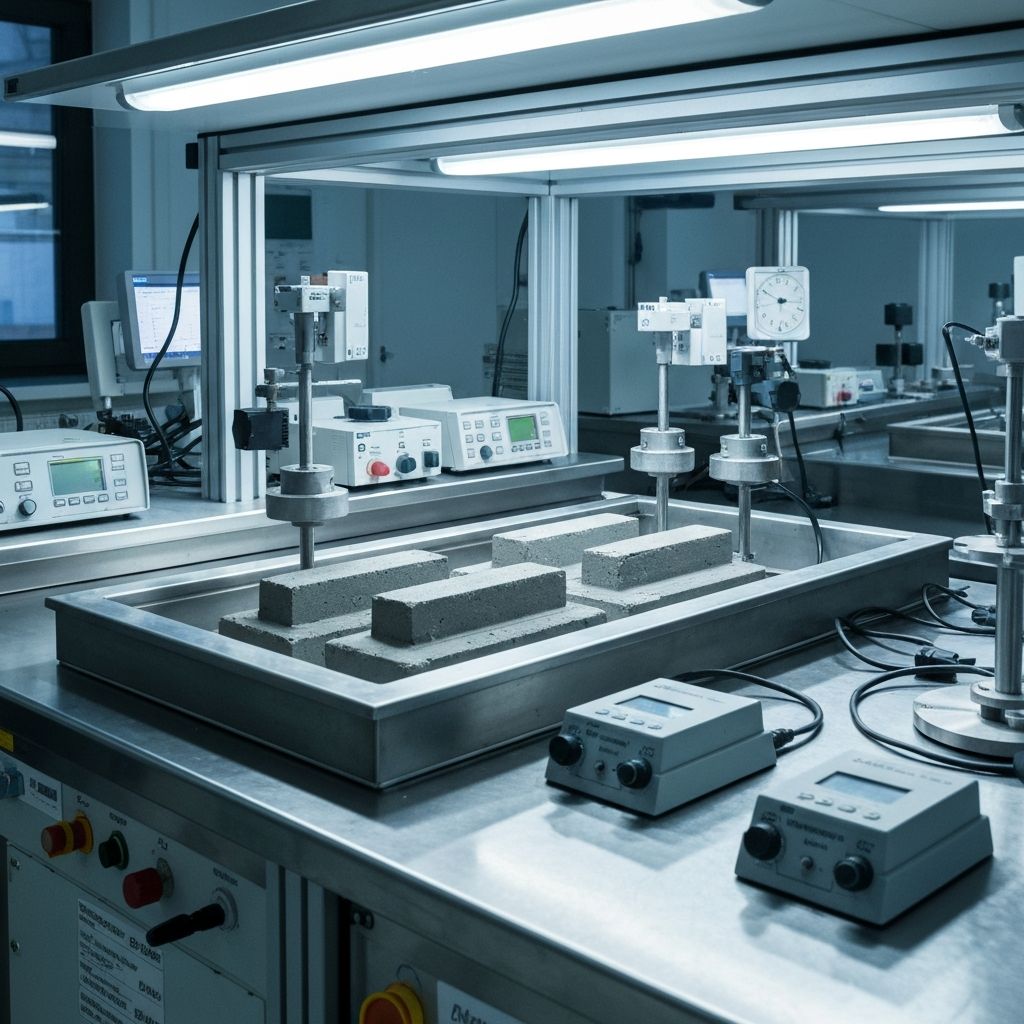
The CPT (ASTM C1293) is more representative of field conditions but requires 1-2 years. Concrete prisms containing the test aggregate and high-alkali cement are stored at 38°C and 100% humidity. Expansion is monitored for 12 months minimum. Expansion >0.04% at 1 year indicates reactive aggregate. The CPT can also evaluate effectiveness of supplementary cementitious materials (fly ash, slag, silica fume) in mitigating ASR.
Mitigation Strategies
If aggregates are potentially reactive, several mitigation measures are available: use low-alkali cement, incorporate pozzolanic admixtures (20-30% fly ash, 50-70% slag, 7-10% silica fume), use lithium-based admixtures, or blend with non-reactive aggregates. The concrete prism test verifies mitigation effectiveness. Preventive measures are far more economical than repairing ASR-damaged structures.
Conclusion
ASR testing is essential for long-term concrete durability when aggregate reactivity is unknown. Our laboratory performs both AMBT and CPT testing to identify reactive aggregates and evaluate mitigation strategies. Contact us for comprehensive ASR testing and consulting services.
Related Testing Services
- Petrographic Examination
- Concrete Prism Test
- Aggregate Grading
- Sieve Analysis
Applicable Standards
Professional Engineering Support
This testing and verification work is part of comprehensive construction management and quality assurance services provided by our architectural and engineering consulting team. We support project management, quality control, and commissioning across military, nuclear, infrastructure, and commercial sectors.
Request Engineering Services