Alkali-Silica Reactivity (ASR) is one of the most damaging chemical reactions in concrete, causing expansion, cracking, and structural deterioration that can compromise the integrity of critical infrastructure including military bases, nuclear power plants, bridges, and dams. ASTM C1260 and ASTM C1567 are the industry-standard accelerated test methods used to identify potentially reactive aggregates and evaluate the effectiveness of supplementary cementitious materials (SCMs) in mitigating ASR. These tests are essential for quality assurance programs serving USACE, NAVFAC, and commercial clients requiring durable, long-lasting concrete structures.
Understanding Alkali-Silica Reaction and Its Impact
Alkali-Silica Reaction occurs when certain forms of reactive silica in aggregates react with alkali hydroxides in concrete pore solution, forming an expansive alkali-silica gel. This gel absorbs water and swells, generating internal pressures that cause characteristic map cracking, displacement, and loss of structural capacity. ASR damage has affected thousands of structures worldwide, including major bridges, pavements, and military facilities. Prevention through proper aggregate testing is far more cost-effective than repair or replacement of ASR-damaged structures. For mission-critical infrastructure serving defense and energy sectors, ASR testing is non-negotiable.
ASTM C1260: Accelerated Mortar Bar Test for Aggregate Reactivity
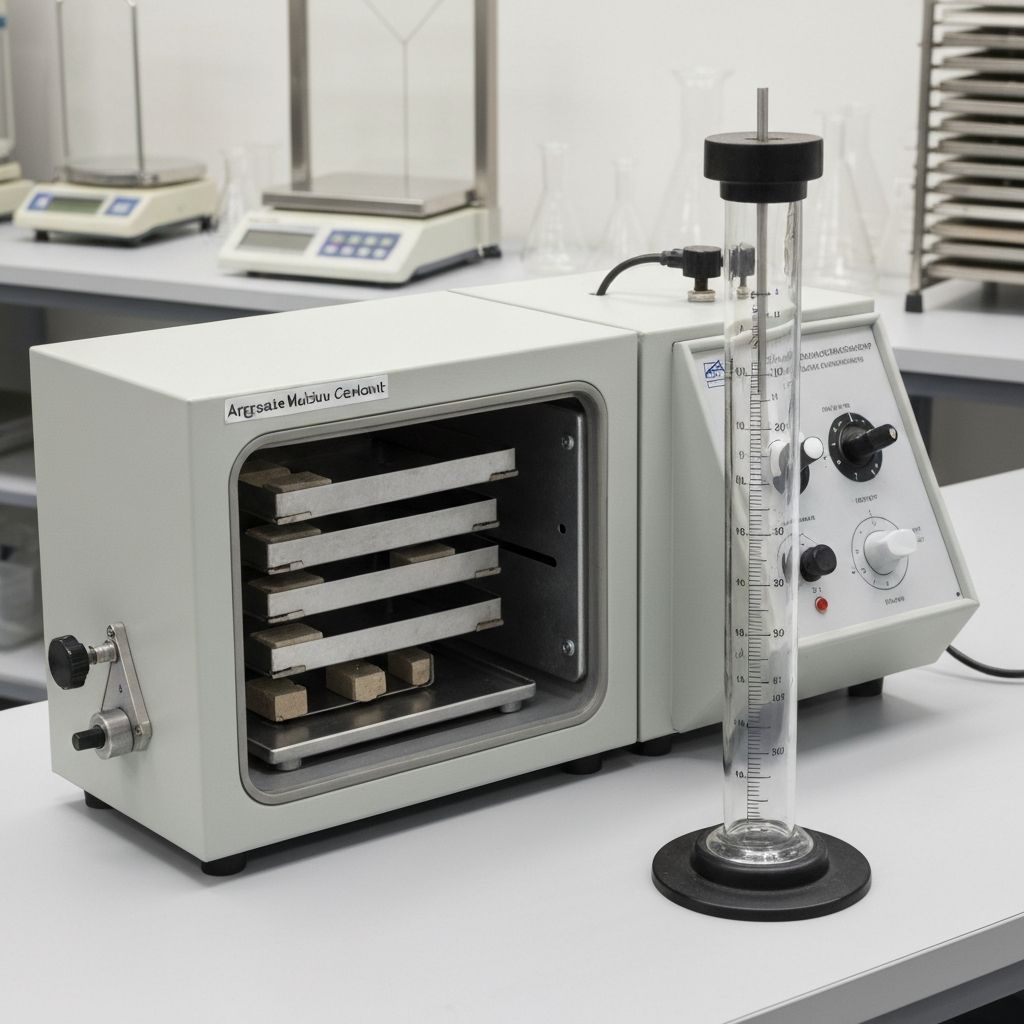
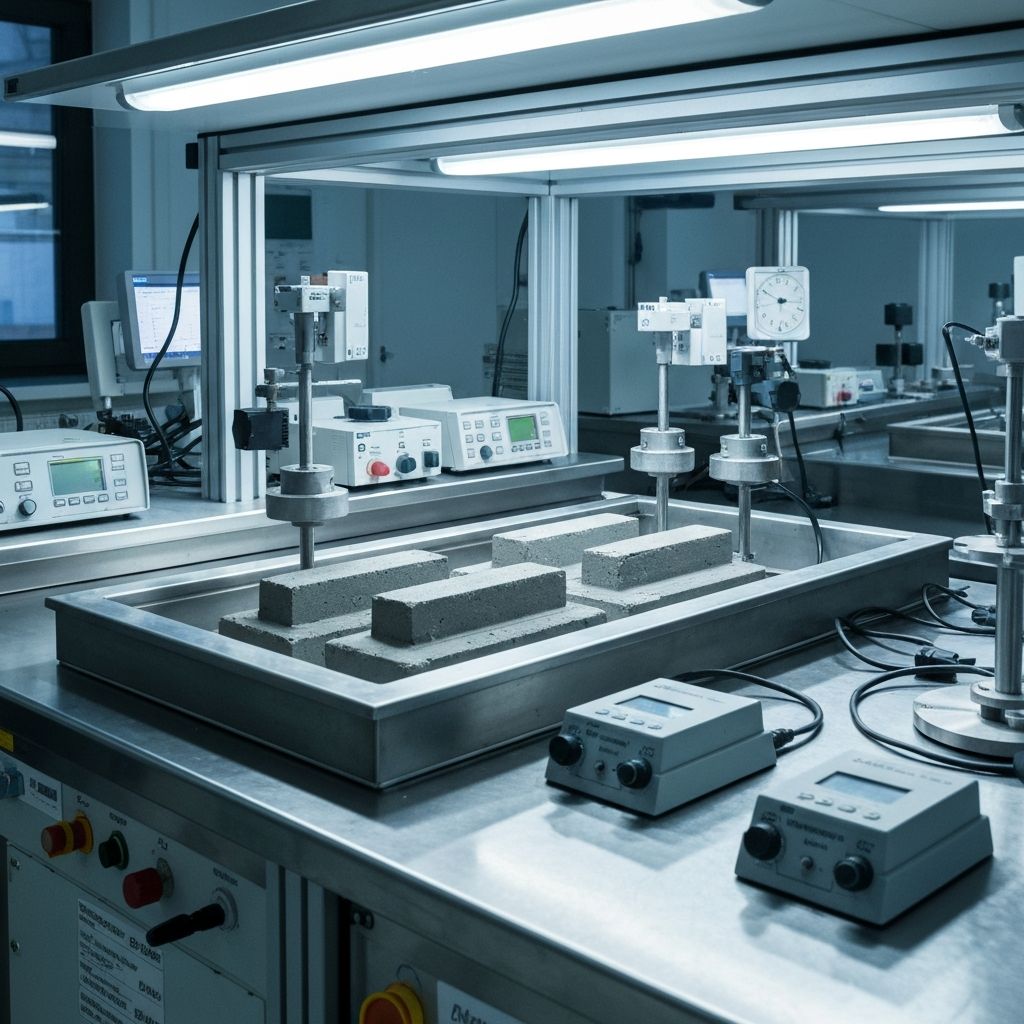
ASTM C1260 is the primary screening test for detecting potentially deleterious alkali-silica reactivity in aggregates. The test uses accelerated conditions to produce expansion in reactive aggregates within 14-16 days, compared to years required for field exposure. Mortar bars (25×25×285mm) are prepared using the test aggregate, Portland cement with increased alkali content (typically boosted to 1.25% Na₂O equivalent), and water. After 24 hours curing at 23°C and an additional 24 hours in water at 80°C, the bars are immersed in 1N NaOH solution at 80°C. Length measurements are taken at 1, 2, 7, 14, and 16 days.
- Expansion < 0.10% at 16 days: Aggregate exhibits innocuous behavior - acceptable for use without restrictions
- Expansion 0.10-0.20% at 16 days: Potentially reactive - field performance records or concrete prism test (ASTM C1293) recommended
- Expansion > 0.20% at 16 days: Aggregate exhibits deleterious expansion - use with preventive measures (SCMs) or reject
- Test completion: 16 days compared to 1-2 years for concrete prism tests
ASTM C1567: Testing Effectiveness of Supplementary Cementitious Materials
ASTM C1567 uses the same accelerated mortar bar procedure as C1260, but incorporates supplementary cementitious materials (SCMs) such as fly ash, ground granulated blast-furnace slag (GGBFS), silica fume, or natural pozzolans as partial cement replacements. This test determines whether SCMs can adequately control expansion even when using reactive aggregates. The test evaluates various SCM replacement levels to establish the minimum dosage required for mitigation. SCMs work by reducing alkalinity in pore solution and blocking reactive sites, effectively preventing ASR gel formation. This testing is crucial for projects where non-reactive aggregates are unavailable or cost-prohibitive, allowing engineers to design concrete mixes that safely utilize local reactive aggregates with appropriate SCM additions.
- Expansion < 0.10% at 14 days: SCM combination provides adequate protection against ASR
- Common SCM dosages tested: 20-35% fly ash, 35-50% slag, 7-10% silica fume, 15-30% natural pozzolan
- Multiple SCM levels tested to establish minimum effective dosage for project specifications
- Results inform mix design and quality control requirements for project duration
Test Procedure and Quality Control Requirements
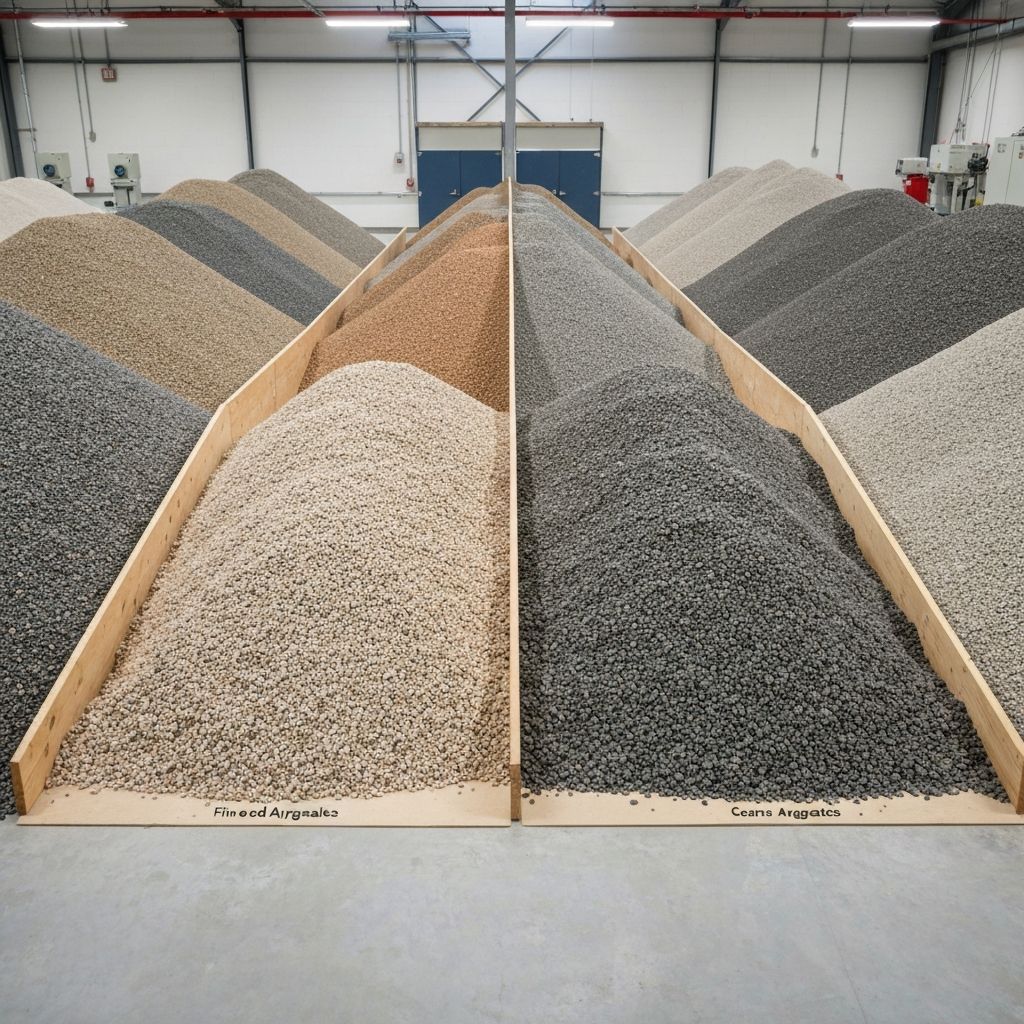
Both ASTM C1260 and C1567 require rigorous adherence to standardized procedures to ensure reproducible, reliable results. Aggregate samples must be crushed and graded to specified particle size distribution (300-2360 μm passing and retained sieves). Mortar proportions are fixed at 1:2.25:0.47 (cement:aggregate:water by mass). Mixing, casting, and curing follow strict protocols. The temperature-controlled NaOH solution bath must maintain 80°C ± 2°C continuously. Length measurements use a digital comparator with 0.001mm resolution. Three replicate specimens are tested, with results averaged. Any specimen exceeding 0.30mm deviation from the mean is discarded and replaced. Laboratory accreditation (ISO/IEC 17025) and participation in proficiency testing programs ensure testing quality meets USACE, NAVFAC, and commercial industry requirements.
Interpretation and Application to Military and Nuclear Projects
For critical infrastructure projects including military installations, nuclear facilities, and major transportation structures, conservative interpretation of ASR test results is essential. Many specifications for USACE, NAVFAC, and nuclear power projects require aggregate expansion below 0.08% rather than the 0.10% threshold, providing additional safety margin. Nuclear regulatory guidelines (ACI 349) mandate comprehensive ASR evaluation for safety-related structures with service lives exceeding 60 years. Project specifications often require ASTM C1293 long-term concrete prism testing to confirm C1260/C1567 results before finalizing mix designs for structures where failure consequences are severe. Understanding site-specific conditions including moisture availability, ambient temperature, and exposure to deicing salts helps engineers apply test results appropriately to predict field performance and service life.
Preventive Measures and Mix Design Strategies
When aggregates test as potentially reactive, several proven mitigation strategies are available. Using low-alkali Portland cement (< 0.60% Na₂O equivalent) reduces available alkalis for reaction. Incorporating SCMs at proven dosages based on ASTM C1567 testing effectively controls expansion. Lithium-based admixtures provide chemical mitigation but require careful dosing based on aggregate reactivity level. For the most reactive aggregates, combining multiple strategies (low-alkali cement + SCMs + lithium) may be necessary. Quality assurance programs must include ongoing testing of aggregates and cement alkali content, with mix design adjustments if materials change. Project specifications should mandate pre-qualification testing of all aggregate sources and establish acceptance criteria aligned with structure service life requirements and consequence of failure.
Conclusion
Alkali-Silica Reactivity testing using ASTM C1260 and C1567 is critical for ensuring long-term durability of concrete structures, particularly for military, nuclear, and infrastructure projects where failure is not an option. Our ISO/IEC 17025 accredited laboratory provides expert ASR testing services with fast turnaround times, supporting A&E firms, construction managers, and quality assurance teams serving USACE, NAVFAC, and commercial clients. Contact VSG today to discuss your aggregate testing requirements and ensure your concrete structures are protected against ASR deterioration.
Related Testing Services
- Concrete Prism Test ASTM C1293
- Petrographic Examination ASTM C295
- Aggregate Grading Analysis
- Cement Alkali Content Testing
Applicable Standards
Professional Engineering Support
This testing and verification work is part of comprehensive construction management and quality assurance services provided by our architectural and engineering consulting team. We support project management, quality control, and commissioning across military, nuclear, infrastructure, and commercial sectors.
Request Engineering Services