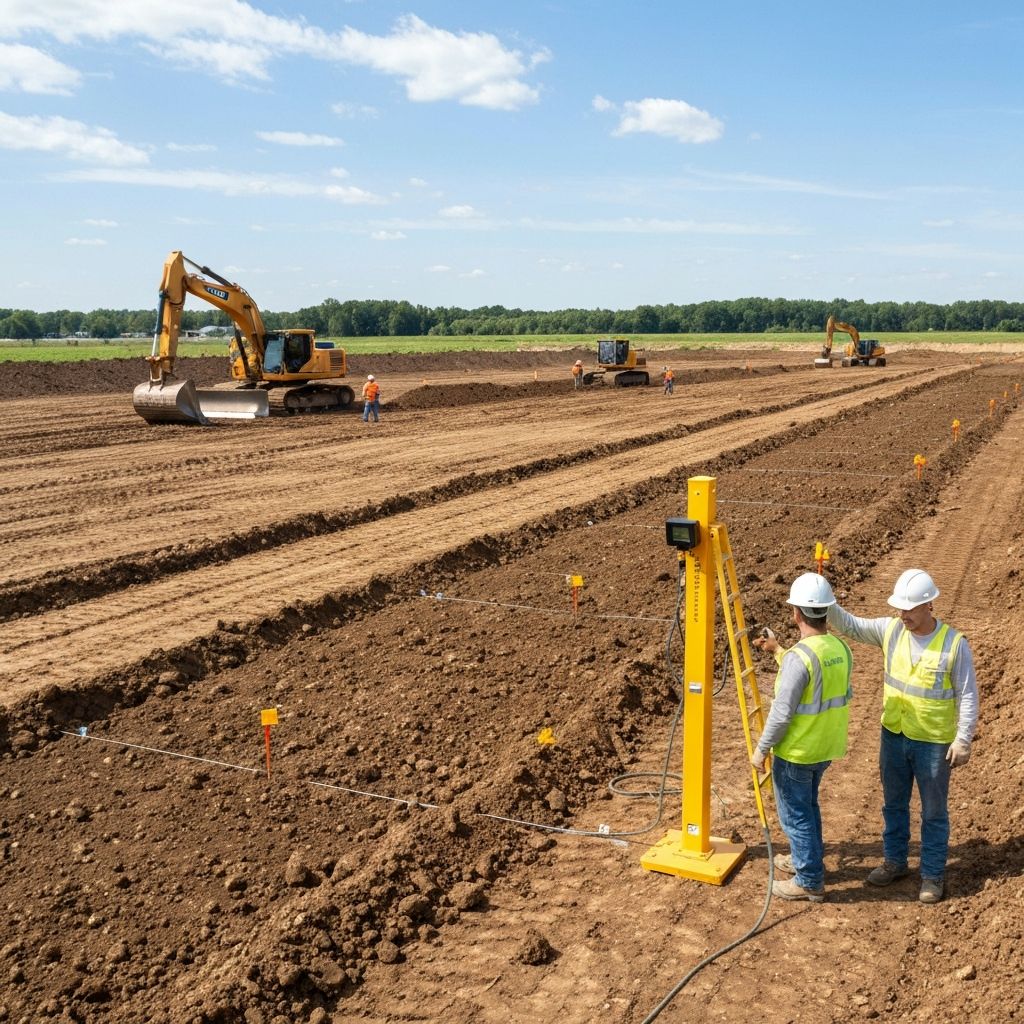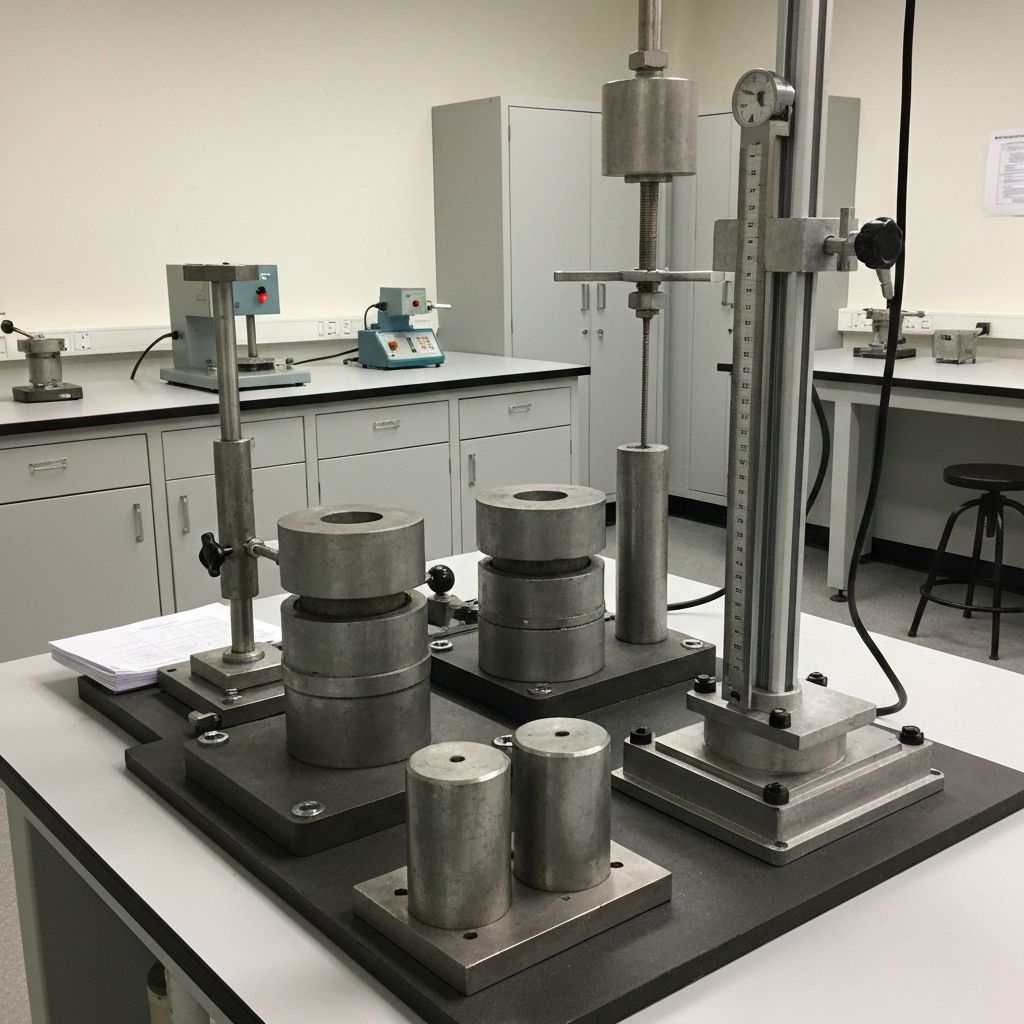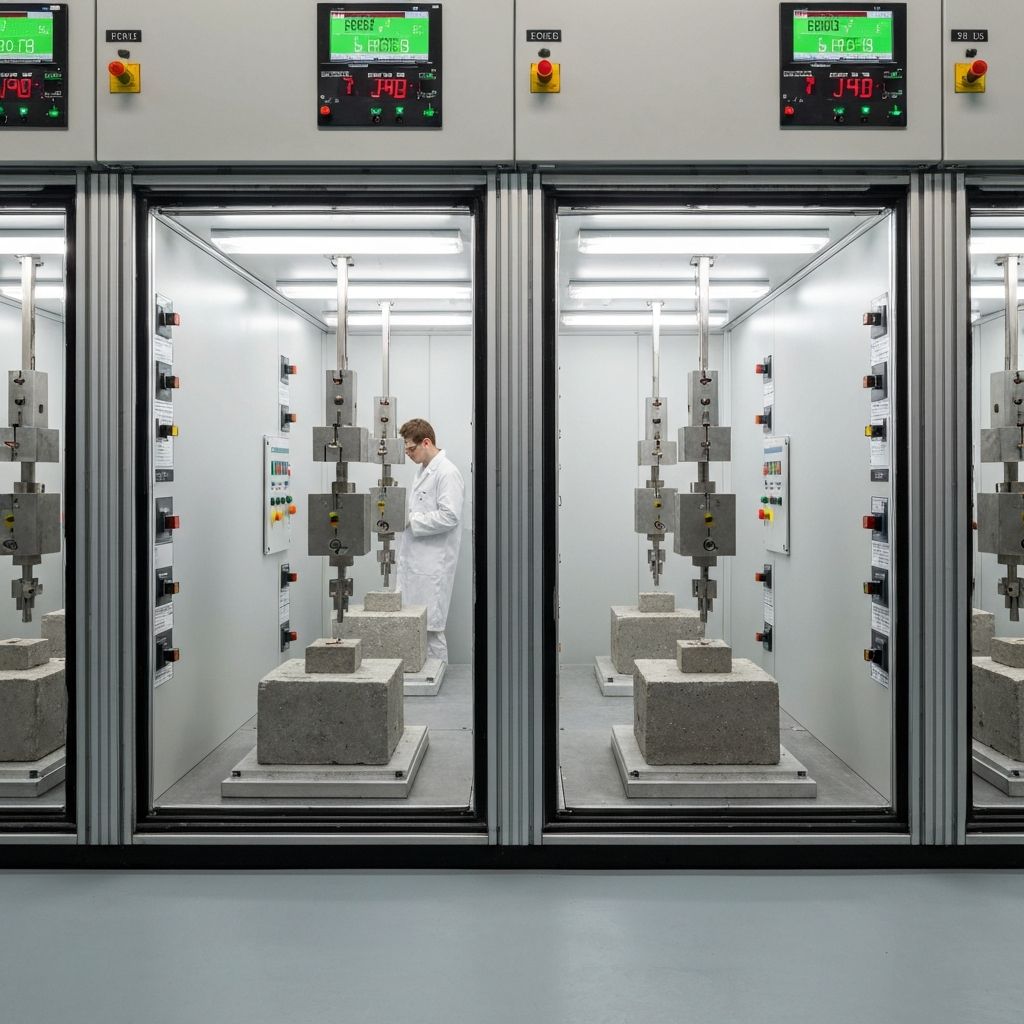
Cold weather soil work presents unique challenges for excavation, backfilling, and compaction operations. Frozen ground is difficult to excavate, moisture content affects compaction behavior, and improper procedures can result in inadequate soil density, settlement, and structural failure. This comprehensive guide addresses cold weather soil operations including equipment requirements, temperature thresholds, compaction procedures, quality control testing, and protective measures to ensure proper soil preparation in harsh climates.
Cold Weather Site Conditions and Planning
Cold weather soil operations require careful planning and preparation before work commences. Temperature, soil type, moisture content, and frost depth all affect excavation and compaction procedures. Planning must address: soil thawing requirements before excavation (frozen ground is very difficult to excavate), timing of backfill placement before ground re-freezes, equipment winterization, and contingencies if temperatures drop below minimum operating thresholds. Site preparation includes temporary enclosures, blankets, or heated operations for critical areas. Coordination with weather forecasts enables scheduling backfill operations during warmer periods or limiting work when severe conditions exist. Documentation of daily temperatures and weather conditions provides record of conditions during construction, essential for addressing potential claims if performance issues arise.
- Temperature monitoring: Record daily minimum, maximum, and average temperatures
- Soil conditions: Assess frost depth, soil type, and moisture content pre-work
- Equipment requirements: Winterize equipment; consider heating devices for critical areas
- Thawing procedures: Plan timeline for frozen soil thawing before excavation
- Weather contingencies: Suspend work if temperatures drop below minimum thresholds
- Material protection: Stockpile backfill materials; protect from freezing/moisture
- Scheduling: Coordinate backfill placement with warmer periods when possible
- Documentation: Record temperatures, weather, and conditions during all work
Temperature Requirements and Minimum Operating Thresholds
Most construction standards establish minimum temperature thresholds for soil compaction operations. ASTM D698 (Standard Proctor) and ASTM D1557 (Modified Proctor) laboratory testing defines standard compaction procedures but do not address cold weather operations. Field compaction in cold weather typically requires minimum air temperatures of 4°C (40°F) or above during backfill placement. If temperatures are expected to drop below 0°C (32°F) during compaction, work must be suspended to prevent inadequate compaction and frost-related settlement. For critical structures, some specifications require minimum 10°C (50°F) to ensure adequate compaction and curing. Monitoring must include both air temperature and soil temperature; soil temperature below 0°C prevents adequate compaction even if air temperature is marginally above freezing. For continuous operations in cold climates, temporary enclosures or heating may be required to maintain minimum temperatures during critical compaction periods.
- Minimum air temperature: 4°C (40°F) typical threshold for compaction work
- Critical structures: 10°C (50°F) minimum often specified for important fills
- Soil temperature monitoring: Critical; must be ≥4°C at compaction depth
- Temperature trend: Verify temperatures not dropping below minimum during work
- Weather forecasts: Plan work windows during predicted warm periods
- Temporary heating: Enclosures or heated equipment for critical operations
- Work suspension: Cease backfill placement if temperature thresholds violated
- Documentation: Record all temperature readings and work suspension periods
Excavation Procedures in Frozen or Partially Frozen Ground
Excavation of frozen or partially frozen soil requires different methods than normal soil excavation. Frozen ground develops high strength and can be difficult to excavate with standard equipment. Thawing procedures may be necessary: surface thawing with air heaters, water application followed by evaporation, or chemical thawing agents. Steam thawing is effective but requires equipment and fuel. Most efficient approach is timing excavation during naturally warmer periods when ground has thawed naturally to workable depth. Partial thawing creates challenging conditions—upper layers become muddy while deeper layers remain frozen. Equipment selection must account for soil conditions: standard bucket excavators work well in thawed soil; harder frozen ground may require rippers, rock hammers, or rotary drilling equipment. Layer-by-layer excavation of partially frozen material prevents equipment damage and ensures controllable working conditions. Segregation of frozen material into separate stockpiles avoids mixing with thawed backfill material.
- Thawing methods: Air heaters, water application, steam, or chemical thawing agents
- Timing strategy: Schedule excavation during naturally warm periods when possible
- Ground conditions assessment: Survey frost depth before finalizing excavation plans
- Equipment selection: Standard excavators for thawed; rippers for frozen ground
- Layer-by-layer excavation: Control and systematic approach to partially frozen material
- Segregation: Separate frozen material from thawed soil for proper handling
- Protection: Cover excavated areas to prevent re-freezing if work delayed
- Safety: Frozen excavations more prone to collapse; steeper slopes unstable when thawed
Material Properties and Compaction Behavior in Cold Conditions
Soil compaction behavior changes significantly in cold weather due to moisture and temperature effects. Moisture content is critical: soil at optimum moisture compacts to maximum density per laboratory standards (ASTM D698 or D1557). In cold weather, moisture behavior changes—ice formation in soil voids reduces compactability, and frozen soil is difficult to work with. Thawed soil may have excessive moisture from melting snow or ice, reducing compactability below laboratory optimum. Soil must be worked to achieve proper moisture content before compaction: wet soils may require drying (spreading for evaporation or mixing in dry backfill), dry soils may require moisture addition. Laboratory Standard Proctor (ASTM D698) or Modified Proctor (ASTM D1557) testing determines optimum moisture and maximum dry density for the soil type. Field density testing (nuclear gauge per ASTM D2922 or sand cone per ASTM D1556) verifies that field-compacted density meets specification—typically 90-100% of laboratory maximum density depending on design requirements.
- Optimum moisture: Determined by ASTM D698 (Standard Proctor) or D1557 (Modified Proctor)
- Maximum dry density: Varies by soil type; 1400-2100 kg/m³ typical range
- Ice formation: Prevents proper compaction; thawing necessary before compaction
- Excess moisture: Melted snow/ice reduces compactability; drying procedures needed
- Dry conditions: Dry soils difficult to compact; moisture addition may be required
- Moisture balance: Achievement of laboratory optimum essential for specification compliance
- Field density verification: 95-100% of maximum dry density tested in laboratory conditions typical specification
- Testing frequency: Minimum one test per 500-1000 m³ or daily depending on work volume
Compaction Equipment and Procedures in Cold Weather
Cold weather compaction requires careful equipment selection and operational procedures. Standard compaction equipment (vibratory compactors, static rollers) remains effective if soil and equipment are in proper condition. Vibratory equipment (plate compactors, vibratory rollers) works best on properly dried soils; excessive moisture reduces vibration transmission and compaction effectiveness. Static rollers work in wetter conditions but require more passes for equivalent compaction. Tamping equipment works for small areas or confined spaces. Multiple thin lifts (150-200mm layers) enable better compaction than thick single lifts, particularly in cold conditions where lower equipment mobility is present. Minimum three passes of vibratory equipment or five passes of static equipment typical for specification compliance. Documentation records pass count, equipment type, and lift thickness. Equipment maintenance is critical: frozen hydraulic fluid prevents equipment operation, fuel gelling occurs at low temperatures, and batteries lose capacity in cold. Equipment should be started and warmed before daily use; overnight heating tents prevent fuel/fluid freeze-up.
- Equipment types: Vibratory compactors, static rollers, tamping equipment
- Lift thickness: 150-200mm layers recommended for effective cold-weather compaction
- Pass requirements: Minimum 3 vibratory or 5 static roller passes typical specification
- Soil conditions: Preferably at optimum moisture ±2% for best results
- Equipment maintenance: Prevent fuel gelling, hydraulic freeze, and battery capacity loss
- Warm-up procedures: Start equipment early; use heating tents overnight
- Winter fuel: Use winterized diesel or anti-gelling additives
- Documentation: Record equipment type, passes, lift thickness, dates/times worked
Quality Control Testing and Acceptance Criteria
Quality control testing verifies that backfill meets compaction specifications and provides proper foundation support. Primary QC methods include field density testing (nuclear gauge per ASTM D2922 or sand cone per ASTM D1556) and standard compaction laboratory testing (ASTM D698 or D1557) of site materials. Density specifications typically require 90% minimum or 95% minimum of laboratory maximum density depending on design and material type. Critical fills (under structures, in seismic zones, or heavy traffic areas) require 95-100% compaction; less critical fills may accept 85-90%. Testing frequency depends on fill volume: minimum one test per 500-1000 m³ of material placed or minimum daily testing. Nuclear gauge testing is faster and enables immediate results; sand cone testing is destructive and requires laboratory analysis but provides independent verification. Combination testing (nuclear verification supplemented by sand cone samples) provides high confidence. Failed tests trigger investigation and remediation: rework areas with additional compaction, or removal and replacement if compaction cannot be improved. Documentation including test locations, results, and any corrective actions provide evidence of compliance.
- Field density testing: Nuclear gauge (ASTM D2922) or sand cone (ASTM D1556)
- Acceptance criteria: 90-95% of lab max density typical; verify project specs
- Critical fills: 95-100% compaction for structures, seismic zones, heavy traffic
- Testing frequency: Minimum one per 500-1000 m³ or daily testing
- Lab testing: ASTM D698 (Standard Proctor) or D1557 (Modified Proctor)
- Failed tests: Remediation via rework or removal/replacement
- Documentation: Test locations, results, and corrective actions recorded
- Combination approach: Nuclear gauge + sand cone samples for verification
Frost and Settlement Protection Measures
Improperly compacted backfill in cold climates risks frost heave and differential settlement causing structural damage. Frost heave occurs when water infiltrates poorly compacted soils, freezes during winter, and expands—pushing structures upward. Differential settlement occurs when freezing thaws unevenly in spring, causing uneven subsidence. Prevention requires proper compaction as above, plus moisture and drainage management. Surface drainage must direct water away from filled areas; poorly maintained drainage concentrating water over fills creates frost heave risk. Subsurface drainage (perforated pipes, French drains) removes groundwater if water table is shallow. Fill materials should be well-graded, frost-resistant soils (granular materials more frost-resistant than fine-grained soils). Clay-rich soils are more susceptible to frost heave—substituting more granular materials or using soil stabilization (lime, cement) reduces heave risk. Thermal monitoring during initial winters identifies heave or settlement problems early before building damage occurs. Critical structures may require thermal insulation (foam board, insulated blankets) over fills to reduce depth of frost penetration, protecting underlying poorly draining soils.
- Frost heave prevention: Proper compaction + drainage + frost-resistant materials
- Settlement prevention: Proper compaction verification ensures uniform density
- Drainage management: Surface and subsurface drainage away from fills
- Material selection: Granular soils more frost-resistant than clay; consider stabilization
- Thermal insulation: Foam insulation over fills reduces frost penetration depth
- Monitoring: Thermal and settlement surveys during initial winters verify performance
- Water infiltration prevention: Sealed surfaces over fills prevent water infiltration
- Groundwater management: Lower water table if shallow to reduce frost heave risk
Documentation and Compliance Records
Complete documentation of cold weather soil work provides evidence of compliance and supports addressing potential performance issues. Required documentation includes: daily temperature records (minimum, maximum, average), weather observations, equipment used, compaction procedures (equipment type, pass count, lift thickness), quality control test results (locations, test method, density percentages), and any work suspensions or modifications due to weather. Test reports should reference applicable standards (ASTM D698, D2922, D1556) and acceptance criteria specified in project requirements. Photographic documentation showing material conditions, equipment operations, and testing provides additional record. Any deviations from specification (temperatures below minimum, failed density tests, rework performed) must be documented and explained. For critical infrastructure or design-sensitive projects, independent testing by third-party consultants provides additional verification and defensibility. Documentation retained for project completion period and thereafter establishes record of construction quality, essential for warranty claims, litigation, or performance investigations.
- Temperature records: Daily minimum, maximum, average temperatures maintained
- Weather observations: Precipitation, wind, freeze-thaw cycles documented
- Equipment records: Type of equipment, operational periods, passes logged
- QC test results: Locations, test method, density percentages, acceptance noted
- Work suspensions: Reasons (temperature, weather) and duration documented
- Material certifications: Supplier certifications for fill materials retained
- Photographic documentation: Conditions and operations photo-documented
- Test certifications: Laboratory certifications and test report retention
- Final reports: Summary report documenting work completion and compliance
Conclusion
Cold weather soil excavation, backfilling, and compaction require specialized procedures and careful quality control to ensure proper foundation performance. Proper temperature management, material conditioning, equipment selection, and verification testing ensure that backfill meets design specifications despite harsh conditions. VSG provides cold weather soil QC oversight, compaction testing, quality control documentation, and construction management support for projects in northern climates. Contact our team to discuss quality control procedures and compliance strategies for your cold weather construction project.
Related Testing Services
- Soil Compaction Testing
- Density Verification
- Frost Resistance Testing
- Soil Moisture Testing
Applicable Standards
Professional Engineering Support
This testing and verification work is part of comprehensive construction management and quality assurance services provided by our architectural and engineering consulting team. We support project management, quality control, and commissioning across military, nuclear, infrastructure, and commercial sectors.
Request Engineering Services