Construction Quality Assurance & Testing
Third-party QA/QC testing and inspection for military, nuclear, and critical infrastructure projects. We verify materials meet spec before they're installed and track construction compliance throughout the build.
What We Test & Why It Matters
Quality assurance on military and nuclear builds isn't optional—inspectors will check everything, and if materials don't meet spec, the contractor pays to fix it or remove it. We conduct independent third-party testing so materials get into the ground right the first time. Our team runs on-site testing for concrete strength, steel welds, masonry mortar, aggregate quality, asphalt density, and any other material critical to the project. Before construction crews install anything, they know it meets specifications.
Beyond materials testing, we run construction inspections to verify the work gets done correctly. We track non-conformances when something doesn't meet spec, document corrective actions, and make sure problems get fixed before the work gets buried. Every inspection is documented with photos and reports so there's a complete record if regulators or auditors need to verify compliance later. For military projects, we maintain the paperwork that proves UFGS and NAVFAC standards were followed. For nuclear work, we implement the quality procedures required by NQA-1.
Quality assurance means being part of the team from the start. We help the contractor understand what the spec requires, train their personnel, review their procedures, and then verify everything gets done right. When problems happen—and they do on every project—we report them objectively and help facilitate the fix. Our job is to catch issues before they become expensive.
How QA/QC Actually Works on Construction Projects
Quality assurance and quality control work together but serve different functions. Quality assurance is about establishing processes and procedures that prevent defects from happening. We work with the contractor during mobilization to develop their QA plan: what procedures will they follow? Who conducts inspections? What materials require testing? How will they document compliance? A well-developed QA plan prevents problems before they start.
Quality control is the execution—the actual testing and verification that materials and work meet specifications. As work progresses, we conduct daily inspections, run materials testing, and verify that contractors are following the procedures they committed to. We observe concrete placement and witness strength tests. We inspect steel welds and document the results. We sample aggregates and run gradation tests. We observe compaction on embankments and verify density meets design requirements. Every test is documented, every result is reviewed, and every non-conformance is tracked to resolution.
The critical distinction: quality assurance prevents problems, quality control detects them. On a well-managed project, the QA procedures are clear, the contractor understands what's required, and QC testing confirms they're doing it right. When problems do occur—and they will on any significant project—QC testing identifies them early, before work progresses further and remediation becomes expensive. That's why independent third-party QC is valuable: we report defects honestly, without the financial conflicts of interest that come from working for the contractor or the designer.
Materials Testing & Verification
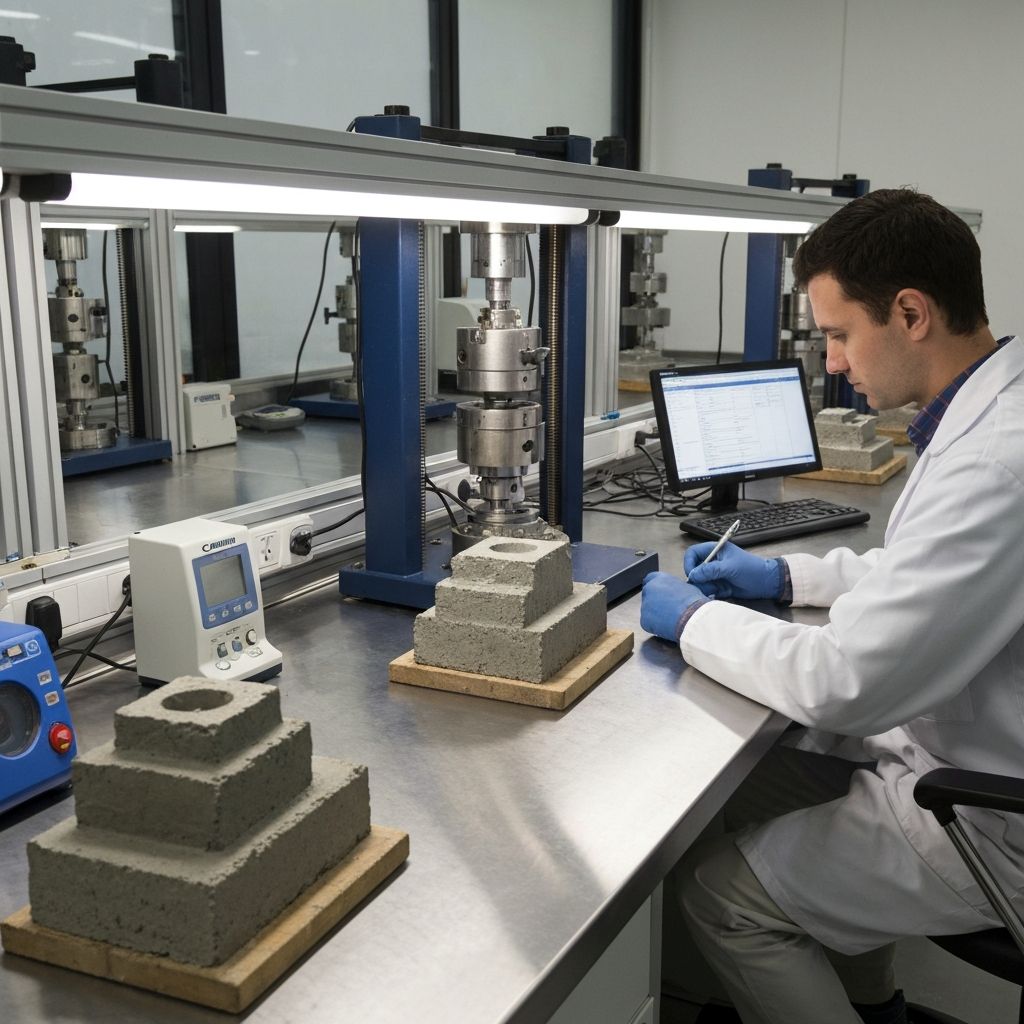
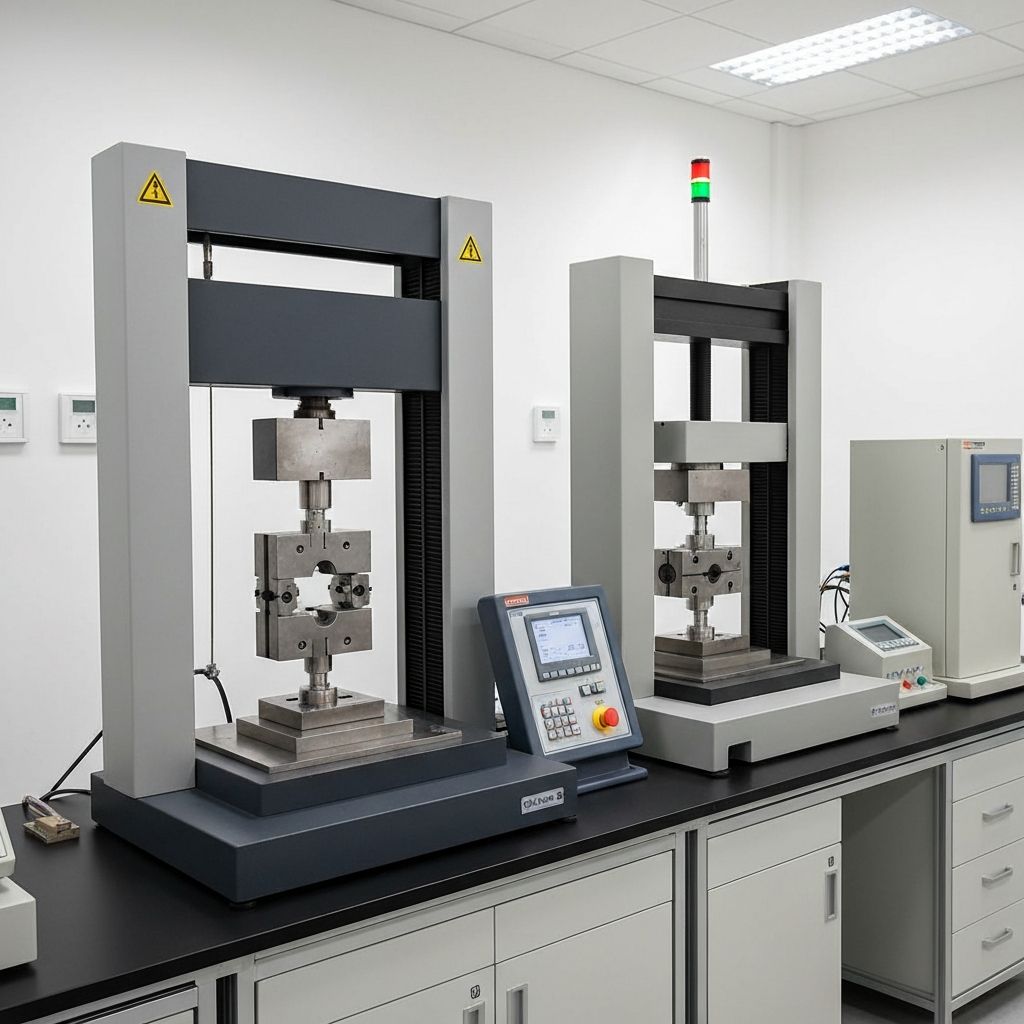
Every major material used in construction requires testing to verify it meets specifications before installation. For concrete, we perform compressive strength testing following ASTM C39 standards. On large projects, we conduct cylinder breaks at 7 days and 28 days to establish early strength development and final strength capabilities. We test concrete slump, air content, and temperature during placement to ensure proper workability. We perform sulfate analysis on aggregates when construction is near saltwater or in aggressive soil environments. We verify cement type matches the design requirements.
Steel reinforcement and structural steel require their own verification programs. We observe mill certifications and verify material properties meet ASTM A615 or other applicable standards. We conduct ultrasonic thickness testing on structural steel to verify corrosion protection coatings meet thickness specifications. For welded connections, we perform visual inspection, dye penetrant testing, ultrasonic testing, or radiographic testing depending on weld criticality and design requirements. We maintain certified welding inspector (CWI) personnel to verify welds are sound.
Masonry, asphalt, roofing materials, and other components all require testing. We conduct compressive strength testing on masonry units and mortar. We perform asphalt density and content testing using nuclear density gauges or core sampling. We test bitumen viscosity and aggregate gradation for asphalt mixes. We perform membrane sealing tests on roofing systems. We test sealant compatibility and bond strength. Every material critical to project performance is tested before acceptance. If a material doesn't meet spec, it doesn't get paid for and doesn't stay in the ground.
Construction Inspection & Non-Conformance Management
Beyond materials testing, our inspectors are on-site conducting daily construction inspections. We review construction methods to verify they follow the specifications and approved procedures. We observe concrete placement to verify proper consolidation and finishing. We inspect masonry work to ensure proper mortar joints, alignment, and workmanship. We observe asphalt paving operations to verify temperature, compaction, and finishing quality. We inspect structural steel erection to verify connection quality and bolt torque specifications.
When something doesn't meet specification, we document it as a non-conformance. This could be concrete strength below design requirements, masonry mortar not meeting color or bond specifications, improperly installed waterproofing, or any condition that violates the contract specifications. We photograph the condition, document the specifics, and issue a non-conformance report to the contractor and project team. The contractor then has options: correct the deficiency, request approval for deviation, or remove and replace the non-conforming work. We verify that corrective actions actually fix the problem. Non-conformances are tracked through resolution and documented in our final project records.
This systematic tracking of non-conformances serves multiple purposes. First, it protects the owner by ensuring defects are addressed before project completion. Second, it creates a documentary record of what was built and how problems were resolved—important if disputes arise later. Third, it demonstrates to military inspectors or nuclear regulators that defects were identified and corrected, not overlooked. A complete non-conformance log shows a well-managed project where issues were identified early and resolved efficiently.
Documentation & Compliance Records
Documentation is everything on military and nuclear projects. We maintain comprehensive records of all testing, inspections, and corrective actions. Every concrete cylinder break gets documented with date, time, location, testing lab, and results. Every material delivery is recorded with supplier, lot number, and test results. Every construction inspection is photographed and reported. Every non-conformance is tracked from identification through resolution. By project end, we have thousands of pages of records proving that materials met specifications and construction followed procedures.
For USACE and NAVFAC projects, our documentation proves UFGS compliance. For nuclear projects, we implement ASME NQA-1 documentation standards. For other projects, we follow the specific documentation requirements in the specifications. These records are maintained according to record retention requirements—typically 5-10 years minimum depending on project type. When regulators or auditors conduct compliance reviews years after project completion, our records are available to demonstrate that quality was maintained throughout construction.
Training & Procedure Development
Quality assurance starts with clear procedures and trained personnel. We work with contractors during project startup to develop written QA procedures specifying exactly how work will be performed. These procedures detail acceptance criteria for materials, inspection frequency, testing protocols, documentation requirements, and corrective action processes. We conduct contractor personnel training to ensure everyone understands what's required. When inspectors understand the standards, defect rates drop and project quality improves.
We develop concrete testing procedures specifying sampling location and frequency based on placement volume. We establish masonry inspection protocols identifying what gets inspected visually versus what requires testing. We create asphalt verification procedures defining compaction frequency and acceptance criteria. We establish steel inspection and welding protocols for different connection types. These customized procedures address specific project requirements and contractor capabilities.
Independent Third-Party Perspective
The value of independent quality control is objectivity. We don't work for the contractor, so we have no financial incentive to accept substandard work. We don't work for the designer, so we're not biased toward justifying design decisions. We work for you—the project owner—and our job is to verify that what's being built actually meets the specifications you paid for. When problems occur, we report them honestly without spin or excuse-making.
This independence is especially critical on military and nuclear projects where regulatory agencies will review our quality records. Military inspectors understand that independent third-party testing means the verification is unbiased. Nuclear regulators require independent verification because the consequences of quality failures are so severe. Having respected, independent QC verification gives regulators confidence that quality was maintained throughout construction.

Independent QA/QC Inspection
- We're independent—we don't work for the contractor, we work for you
- Materials testing on-site before anything gets installed
- Daily inspections and real-time reporting on what's happening
- When something doesn't meet spec, we document it and track the fix
- We maintain complete records for audits and compliance verification
- Certified inspectors with decades of construction experience
- Rapid issue identification and non-conformance reporting
- Photographic documentation of all construction phases
Military Specification Compliance
- We know UFGS (Unified Facilities Guide Specifications) inside out
- We work with USACE and NAVFAC projects all the time
- Security-cleared staff for classified military work
- We understand what military inspectors will actually check
- Complete documentation that satisfies federal compliance requirements
- Track record delivering military projects that pass final inspections
- Familiarity with military quality standards and approval processes
- Direct experience with USACE contract compliance procedures
Laboratory Services
- Concrete strength testing and assessment
- Aggregate and material quality verification
- Steel and reinforcement inspection
- Asphalt and pavement testing
- Specialized testing for durability and environmental performance
- Certified testing labs meeting ASTM and military standards
- Materials testing per ASTM, EN, BS, and military specifications
- Chain of custody and documented test procedures
Quality Assurance Planning & Procedures
- Custom QA/QC plan development for each project
- Inspection point identification based on specification requirements
- Testing protocol definition and acceptance criteria
- Personnel training programs for contractor QA staff
- Procedure development and documentation requirements
- Continuous monitoring and real-time quality management
- Non-conformance tracking and corrective action verification
- Project completion quality certification and final records delivery
QA/QC Process & Benefits
Our integrated quality assurance process starts with comprehensive understanding of project specifications, military standards, and owner requirements. We develop customized QA/QC plans that define inspection points, testing protocols, and acceptance criteria. We conduct contractor training so personnel understand requirements and implementation. We establish testing schedules and inspection frequency based on material criticality and specification requirements.
Continuous monitoring during construction ensures real-time quality management and early identification of non-conformances. Our daily inspections and weekly testing programs create a real-time quality dashboard so everyone knows project status. When problems occur, we identify them early—before work progresses further and remediation becomes expensive. We document every issue, track corrective actions to resolution, and maintain detailed photographic records.
Our detailed reporting and documentation provide complete project records and compliance verification. Final QA/QC reports summarize all testing results, inspection findings, non-conformances identified and resolved, and certification that the project meets specification requirements. These records are invaluable if regulators conduct compliance audits, disputes arise over quality, or building performance issues require investigation years after completion. Having comprehensive QA/QC records proves you took quality seriously and maintained standards throughout construction.
Benefits of independent QA/QC include: defect prevention through proper procedures, early problem identification before they compound, objective verification without conflicts of interest, regulatory inspector confidence in quality standards, comprehensive documentation for compliance verification, and protection against future quality disputes.
Discuss Your QA/QC Needs