Synthetic single-ply roofing membranes form the critical waterproof barrier protecting buildings from water infiltration and structural damage. Three primary membrane types dominate European roofing: PVC (polyvinyl chloride), EPDM (ethylene propylene diene monomer), and TPO (thermoplastic polyolefin). Each material offers distinct properties affecting installation methods, durability, and performance. Proper welding technique, equipment calibration, material selection, and rigorous quality control determine membrane longevity and weather resistance. This article provides comprehensive guidance on membrane properties, installation methods, quality assurance procedures, and compliance with European standards EN 13956, EN 13706, and EN 13969.
Synthetic Roofing Membranes: Properties and Comparison
Single-ply membranes have become the standard roofing system in European construction due to superior durability, ease of installation, and service life of 25-50 years. PVC membranes (1.2-2.0 mm thick) are rigid thermoplastic polymers offering excellent chemical and fire resistance, ideal for industrial and commercial buildings. EPDM membranes (0.75-1.5 mm thick) are flexible elastomeric materials with outstanding UV and temperature performance, well-suited for European climate variations. TPO membranes (0.9-1.5 mm thick) represent a newer generation combining PVC rigidity with EPDM flexibility, offering improved durability and cost balance. Each material requires different installation approaches: PVC uses hot air welding, EPDM uses adhesive bonding, and TPO uses thermal welding or adhesive methods.
- PVC: 1.2-2.0 mm, rigid, fire-resistant, chemical-resistant, hot air welded
- EPDM: 0.75-1.5 mm, flexible elastomer, UV-resistant, adhesive-bonded seams
- TPO: 0.9-1.5 mm, thermoplastic blend, improved durability, hot-air or adhesive welded
- Service life: 25-50 years depending on membrane type, installation quality, and maintenance
- All require watertight seams at field joints, penetrations, and perimeter details
- Quality installation and testing critical for 25+ year warranty coverage
PVC Membrane Hot Air Welding
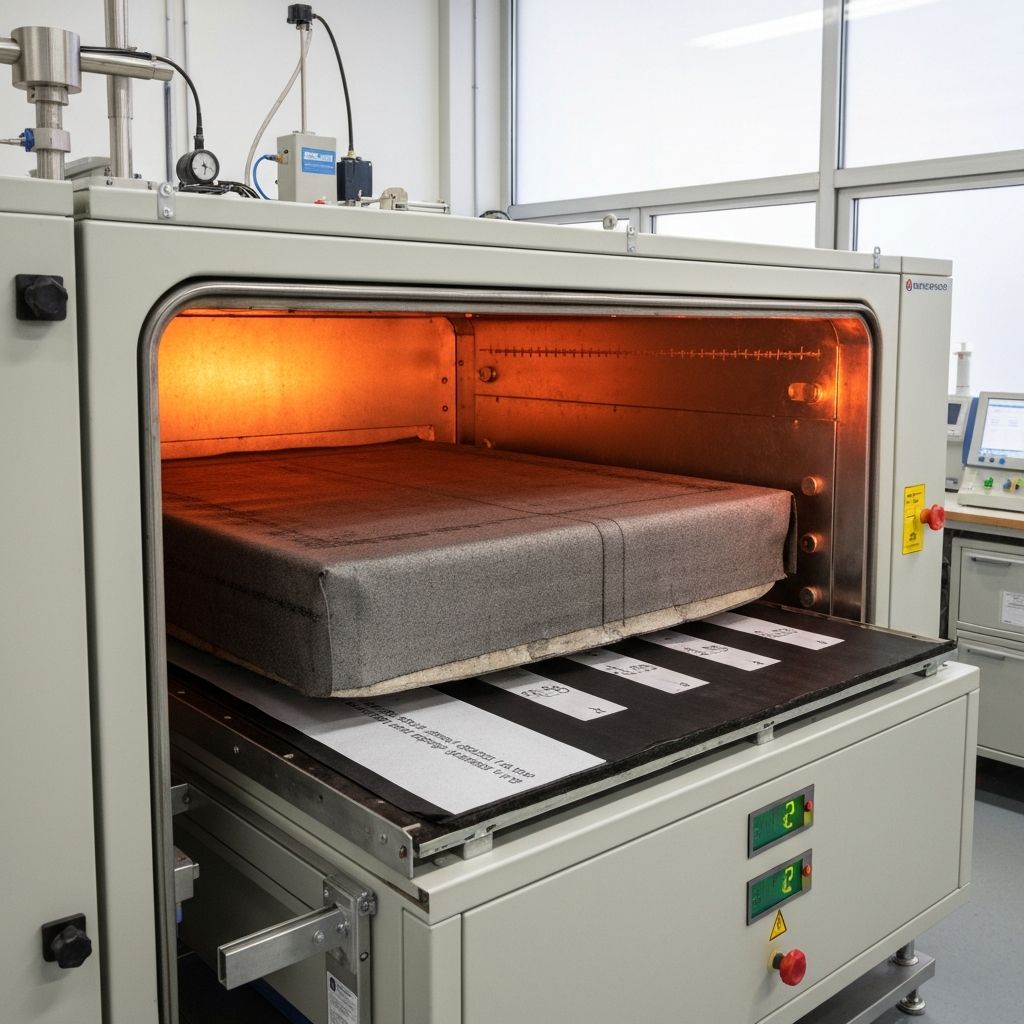
PVC membranes are joined using hot air welding (thermal fusion), where controlled heat bonds overlapping membrane sheets into a continuous weld. Handheld or automatic welding equipment directs 400-600°C air onto overlapping membranes, melting the plastic surfaces and creating a homogeneous bond when pressed together with rollers. Installation productivity ranges 30-50 m/day depending on seam complexity and operator experience. Proper technique requires trained operators, calibrated equipment with documented procedures, and temperature control within ±10°C. Poor technique (insufficient heat, inadequate pressure, contaminated surfaces) creates weak welds, voids, and eventual leakage.
- Thermal fusion welding: Hot air heats membrane surfaces to ~250°C melt point
- Air temperature: 400-600°C delivered by welding gun; must be calibrated monthly
- Travel speed: 1-3 m/min balance between productivity and weld quality
- Pressure rollers: 40-100 kg force following heat source consolidates weld
- Weld appearance: 15-25 mm visible seam with consistent width and uniform color
- Installation rate: 30-50 m/day; 50-80% of seam requires weld coverage
EPDM Membrane Adhesive Bonding
EPDM membranes cannot be thermally welded due to material properties and are instead joined using liquid adhesive systems. The adhesive bonding method consists of overlapping 75-100 mm, cleaning both surfaces with solvents, lightly sanding the overlap zone, applying 200-300 g/m² of adhesive to both surfaces, pressing membranes together with hand or mechanical rollers (minimum 100-150 kg/m pressure), and allowing 24 hours for adhesive cure before weather exposure. Liquid adhesives (solvent or water-based) create permanent bonds between EPDM layers. Surface preparation is critical—contamination, dust, or moisture prevents adhesion and causes eventual seam failure. A secondary seam tape (100-150 mm) is typically applied over liquid adhesive seams for additional protection.
- Adhesive bonding: Primary joining method for EPDM (cannot be thermally welded)
- Overlap width: 75 mm minimum, 100 mm recommended for critical seams
- Surface preparation: Solvent cleaning, light sanding, complete moisture removal
- Adhesive coverage: 200-300 g/m² applied to both surfaces for consistent bond
- Consolidation: Hand or mechanical roller; minimum 100-150 kg/m pressure required
- Curing time: 24 hours minimum before water or foot traffic exposure
- Seam tape: Secondary 100-150 mm tape applied over liquid adhesive seam
TPO Membrane Installation
TPO membranes combine thermoplastic and elastomer properties, allowing both thermal welding (hot air) and adhesive bonding methods. Hot air welding of TPO typically requires lower temperatures (300-350°C) compared to PVC, with 2-4 m/min travel speed and slightly different pressure requirements. TPO thermoplastic composition enables faster setup and higher early strength compared to EPDM adhesive seams. Alternatively, TPO can be installed using adhesive systems similar to EPDM when project requirements favor adhesive methods. Both installation approaches are acceptable depending on climate conditions, project schedule, and contractor experience. TPO offers flexibility in installation approach while delivering performance between PVC and EPDM materials.
- TPO welding: Hot air thermal fusion at lower temperatures (300-350°C) than PVC
- Travel speed: 2-4 m/min typically faster than PVC due to thermoplastic properties
- Pressure requirements: Similar to PVC but slightly lower consolidation force needed
- Adhesive bonding: TPO can also be installed with liquid adhesive systems
- Flexibility: Contractors can choose welding or adhesive based on project needs
- Performance balance: Combines PVC rigidity advantages with EPDM flexibility benefits
Quality Control and Testing Procedures
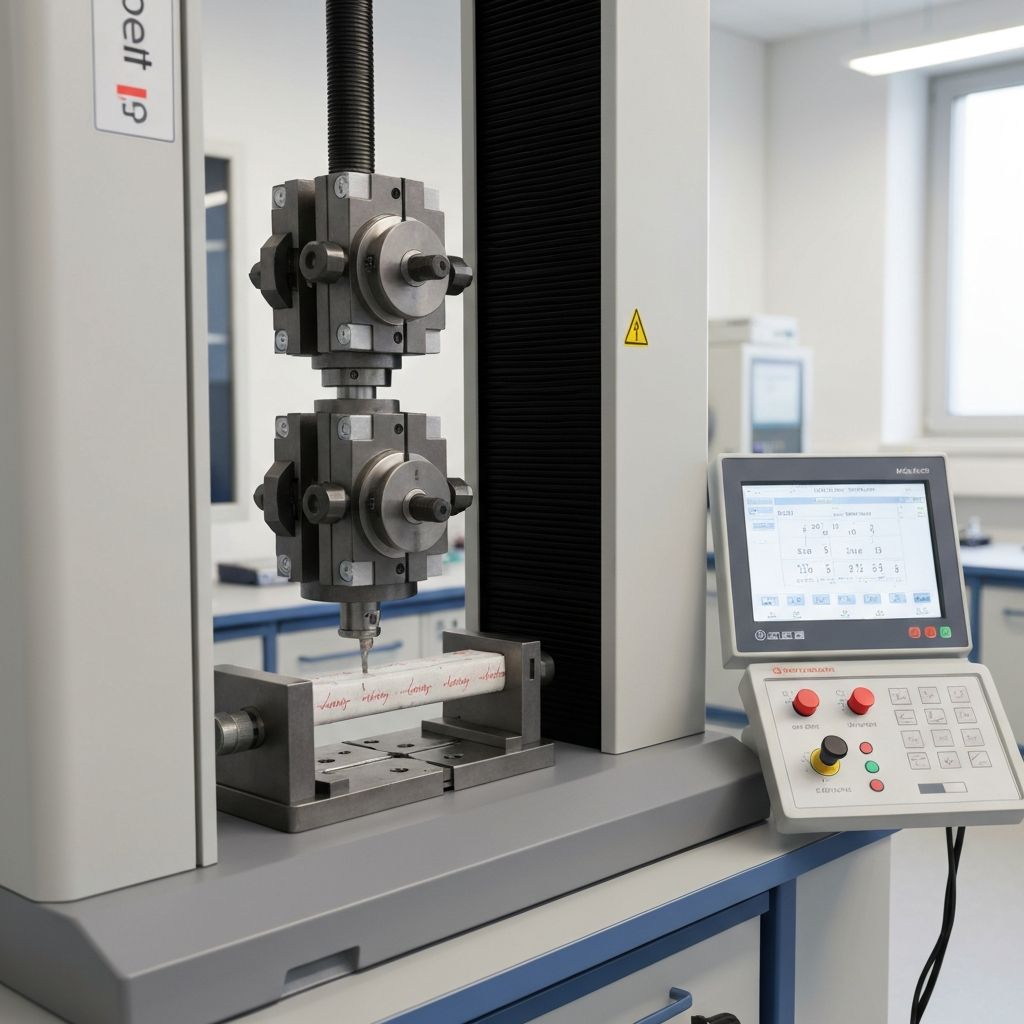
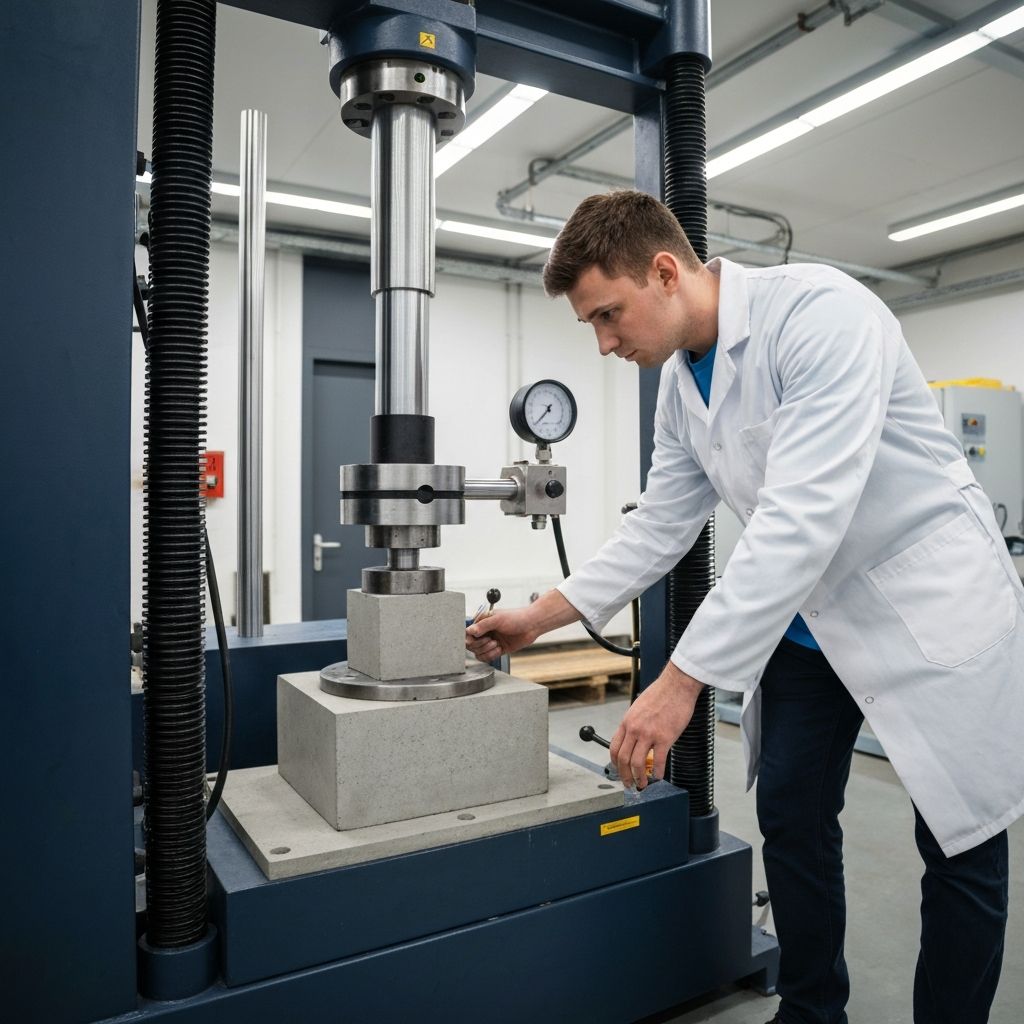
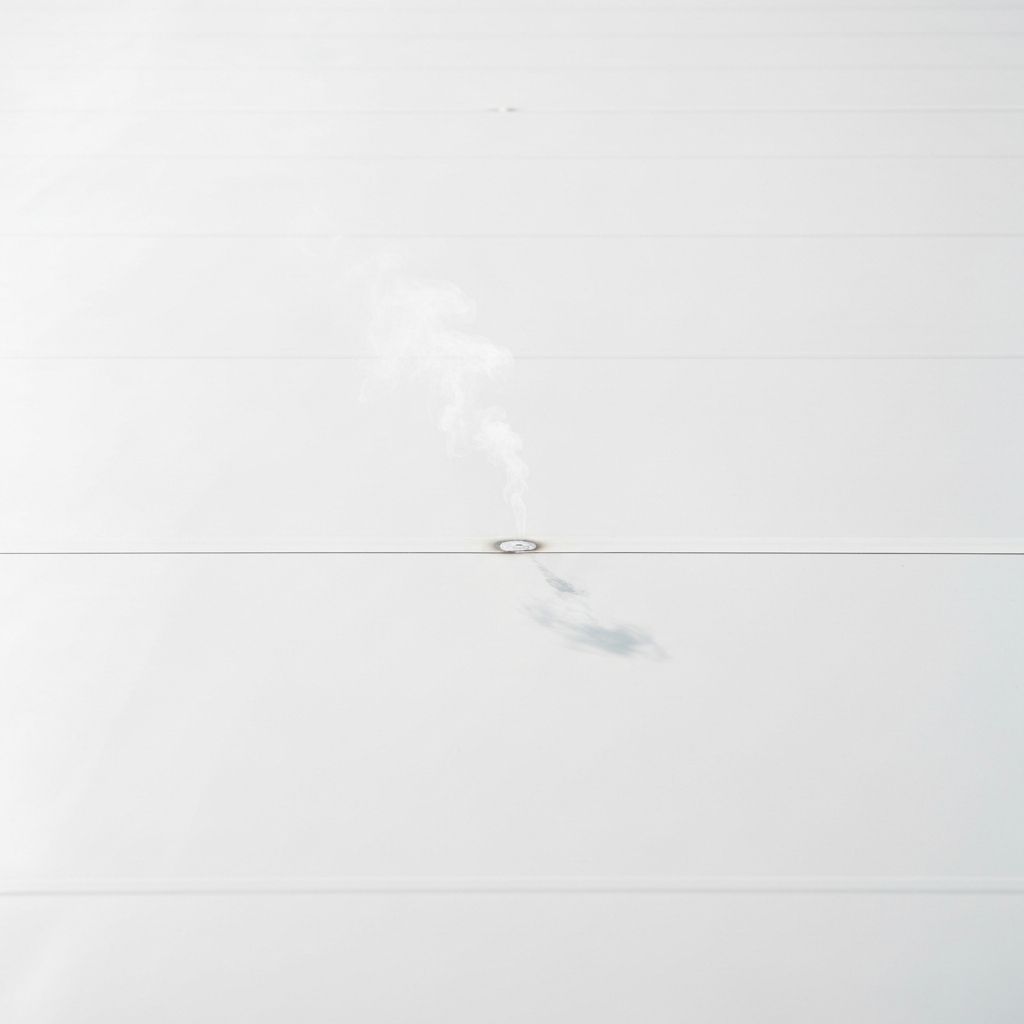
Quality control begins with material inspection: membranes verified for damage, proper storage, and shelf-life compliance. Pre-installation inspections confirm clean, dry substrates appropriately primed. During installation, quality checks include visual seam inspection for continuous welds without gaps or discoloration, peel strength testing (minimum 5 kg/5 cm width typical), and substrate holiday detection. Post-installation testing includes hydrostatic pressure testing (100-300 mm water column beneath membrane), smoke leak testing (smoke generator traces any seam leaks), and infrared thermography (detects delamination and voids). Documentation includes photographs, test certificates, and records for every major seam or testing zone.
- Pre-installation: Material verification, storage check, substrate cleanliness
- Visual inspection: Continuous welds, consistent width, proper color, no discoloration
- Peel testing: Membrane tensile strength; minimum 5 kg/5 cm width per EN standards
- Hydrostatic testing: Water pressure 100-300 mm column; no visible leakage
- Smoke testing: Smoke generator traces seam leaks; critical for quality verification
- Thermography: Infrared imaging detects delamination, voids, and moisture
- Documentation: Test records, photos, certificates for compliance and warranty
Common Installation Defects
PVC weld defects include insufficient heat (weak adhesion, seam separation), voids and delamination (trapped air weakens seam), discoloration from excessive temperature (material brittleness), and contamination preventing proper fusion. EPDM adhesive defects include inadequate overlap (<75 mm creates weak seams), poor surface preparation (contamination prevents adhesion), insufficient consolidation pressure (incomplete bonding), and premature water exposure before adhesive cure. TPO defects mirror both PVC and EPDM depending on installation method chosen. All defects typically manifest as water leaks days or weeks after installation, requiring costly remediation. Proper training, documented procedures, and systematic quality testing prevent defects.
- PVC: Insufficient heat, voids, discoloration, surface contamination
- EPDM: Inadequate overlap, poor surface prep, insufficient pressure, premature exposure
- TPO: Similar defects depending on welding or adhesive method selected
- Leak timing: Often manifests days to weeks after installation completion
- Root causes: Inadequate training, poor procedure compliance, insufficient testing
Standards and Compliance
PVC roofing membranes are specified by EN 13956 with installation requirements in EN 1848. EPDM membranes follow EN 13706 specifications. TPO membranes are typically specified per EN 13956 requirements adapted for TPO properties. All membrane installations must comply with EN 13969 (watertightness determination) and EN 20898 (roof flashings design). Building codes require complete watertightness with certified seam strength and documented testing. Fire resistance ratings (typically Euroclass) depend on membrane grade and regional requirements. Installation contractors should maintain material certifications, test records, and quality documentation for warranty compliance.
- EN 13956: PVC membrane specifications
- EN 13706: EPDM membrane specifications
- EN 1848: Membrane testing and properties determination
- EN 13969: Watertightness determination and testing procedures
- EN 20898: Roof flashing design and performance requirements
- Building codes: Regional requirements for fire resistance and performance
Best Practices for Professional Installation
Professional installations follow systematic protocols: substrate preparation ensures clean, dry surfaces with appropriate priming; material storage protects membranes from UV and temperature extremes; operator training includes certified welding or adhesive application technicians; weather management maintains appropriate conditions (typically 5-25°C for adhesive applications); systematic testing verifies every seam for strength and watertightness; comprehensive documentation records all procedures, tests, and results; maintenance planning establishes post-installation inspection schedules. Large projects (>5,000 m²) typically employ on-site quality managers supervising procedures and testing compliance.
- Substrate preparation: Clean, dry, appropriately primed surfaces
- Material storage: Protected from UV, temperature extremes, and contamination
- Operator certification: Trained, certified welding or adhesive application personnel
- Weather management: Install at appropriate temperatures (5-25°C for adhesive)
- Systematic testing: Every seam tested for strength and watertightness
- Documentation: Complete records of procedures, tests, photos, and certifications
- Maintenance planning: Post-installation inspection schedules and procedures
Conclusion
PVC, EPDM, and TPO membranes require proper installation technique, rigorous quality control, and standards compliance to deliver 25-50 year performance. VSG provides comprehensive quality assurance for roofing installations including material verification, installation monitoring, seam strength testing, hydrostatic testing, and thermographic analysis. We deliver certified waterproof roofing systems with complete documentation for warranty compliance. Contact VSG to discuss quality assurance for your roofing membrane project.
Related Testing Services
- Membrane Peel Strength Testing
- Hydrostatic Testing
- Smoke Leak Testing
- Thermal Imaging (Thermography)
- Watertightness Testing
- Tensile Strength Testing
Applicable Standards
Professional Engineering Support
This testing and verification work is part of comprehensive construction management and quality assurance services provided by our architectural and engineering consulting team. We support project management, quality control, and commissioning across military, nuclear, infrastructure, and commercial sectors.
Request Engineering Services